
友情鏈接
- Copyright ? Science and Technology Daily, All Rights Reserved
- 科技日報社 中國科技網 版權所有
- 京ICP備06005116號
- 違法和不良信息舉報電話:010-58884152
- 京公網安備 110402500060

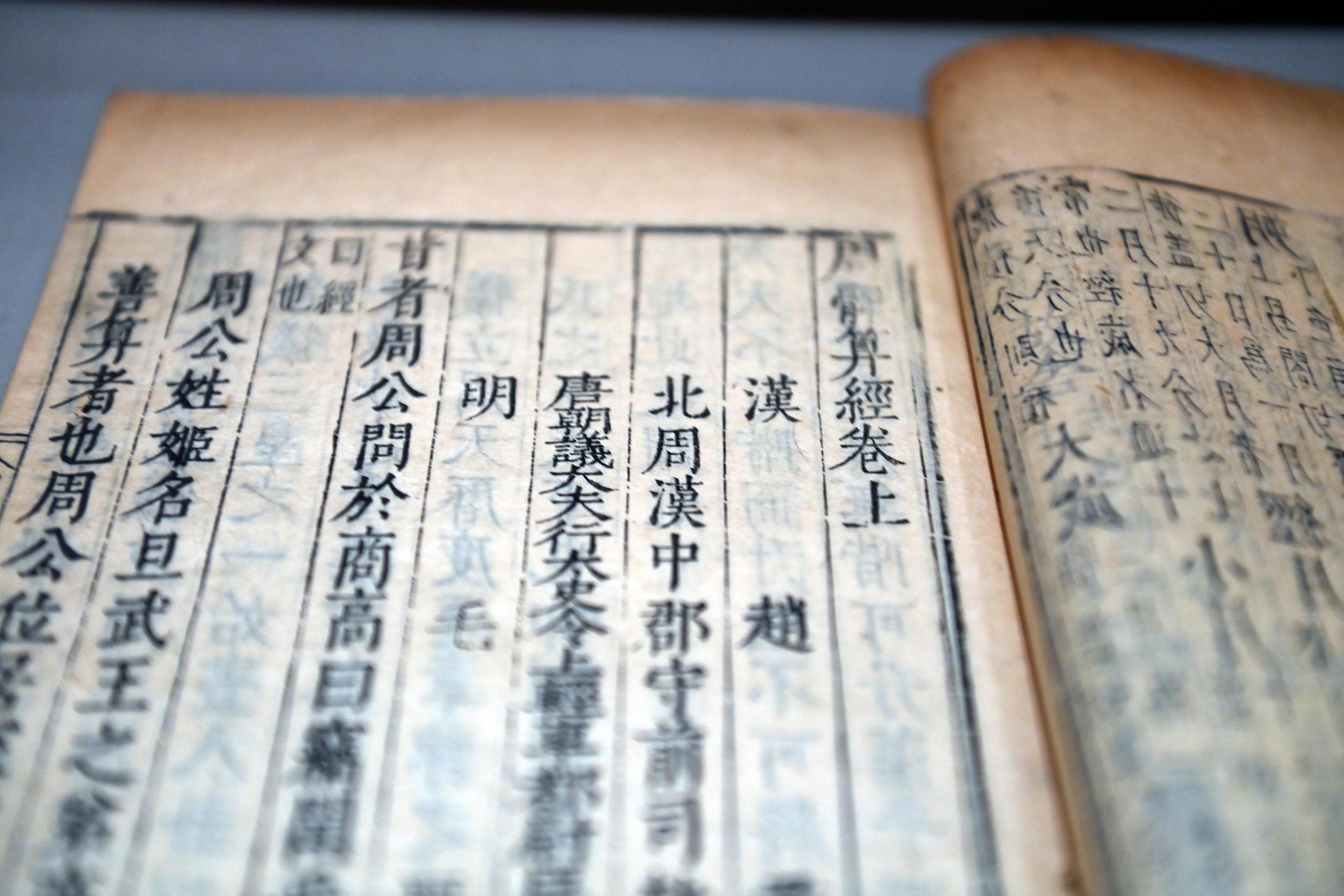
?The Zhoubi Suanjing (The Mathematical Book on Gnomons and Circular Paths), written around the 1st century BC, is the oldest surviving Chinese book on the fundamentals of astronomical calculations. The book is known for its early use of the Gougu theorem (a Chinese version of the Pythagorean theorem), along with its detailed astronomical and calendrical methods. It is one of the 10 classic books on mathematics from ancient China.
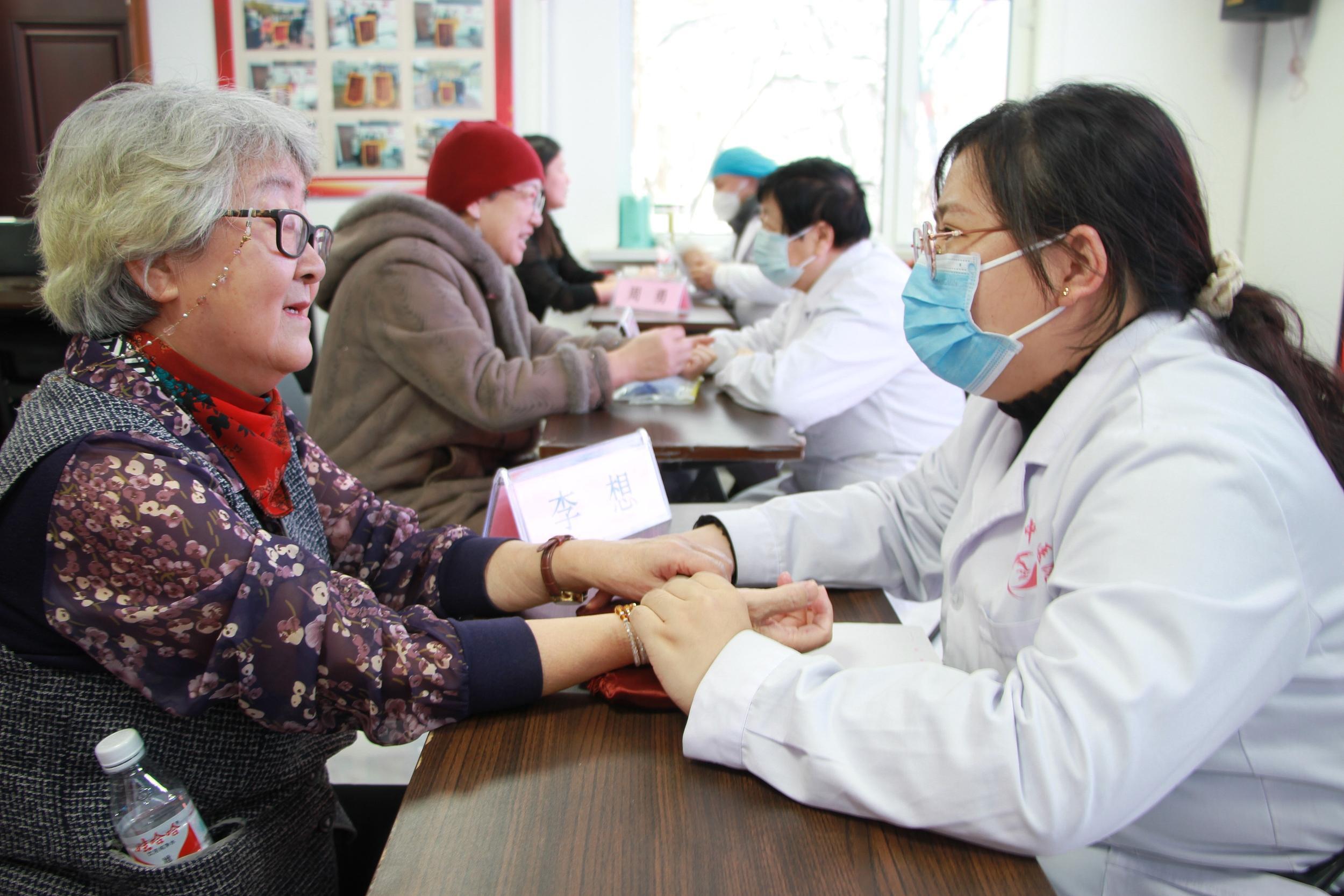
?Traditional Chinese medicine (TCM) is a complementary and alternative medicine that has attracted significant attention both domestically and internationally. It offers a distinct approach to patient diagnosis and treatment compared to Western medicine, using four main diagnostic methods to detect ailments: Observation (inspection), Auscultation and Olfaction (listening and smelling), Inquiry (interrogation) and Palpation (feeling, including pulse-taking).
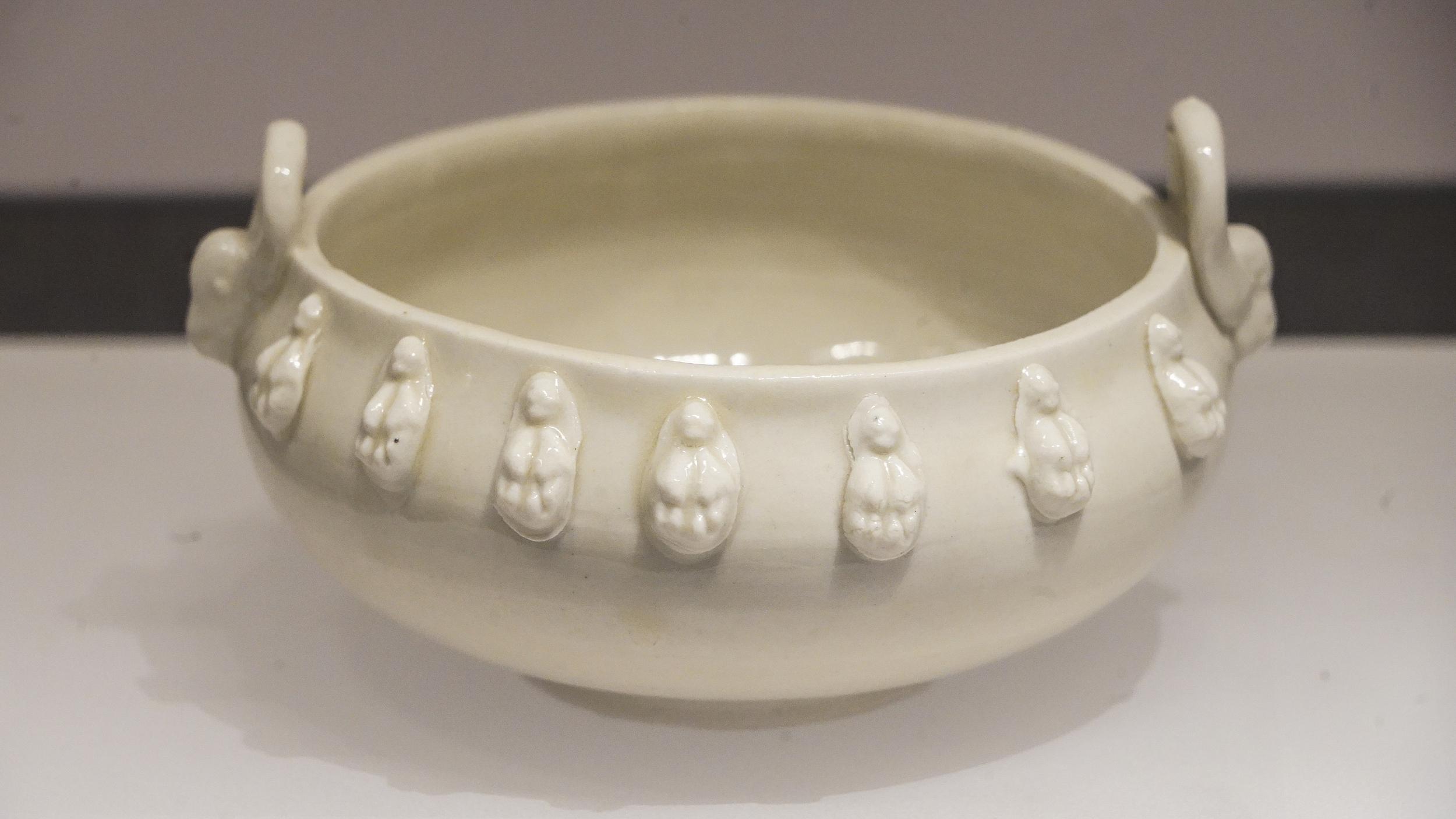
?Celebrated as one of the "Five Great Kilns" that produced porcelain in ancient China, the Ding kilns in the Song dynasty were located in what is now Quyang county, Hebei province. At the time, the area was under the administration of Dingzhou, hence the name "Ding kilns."
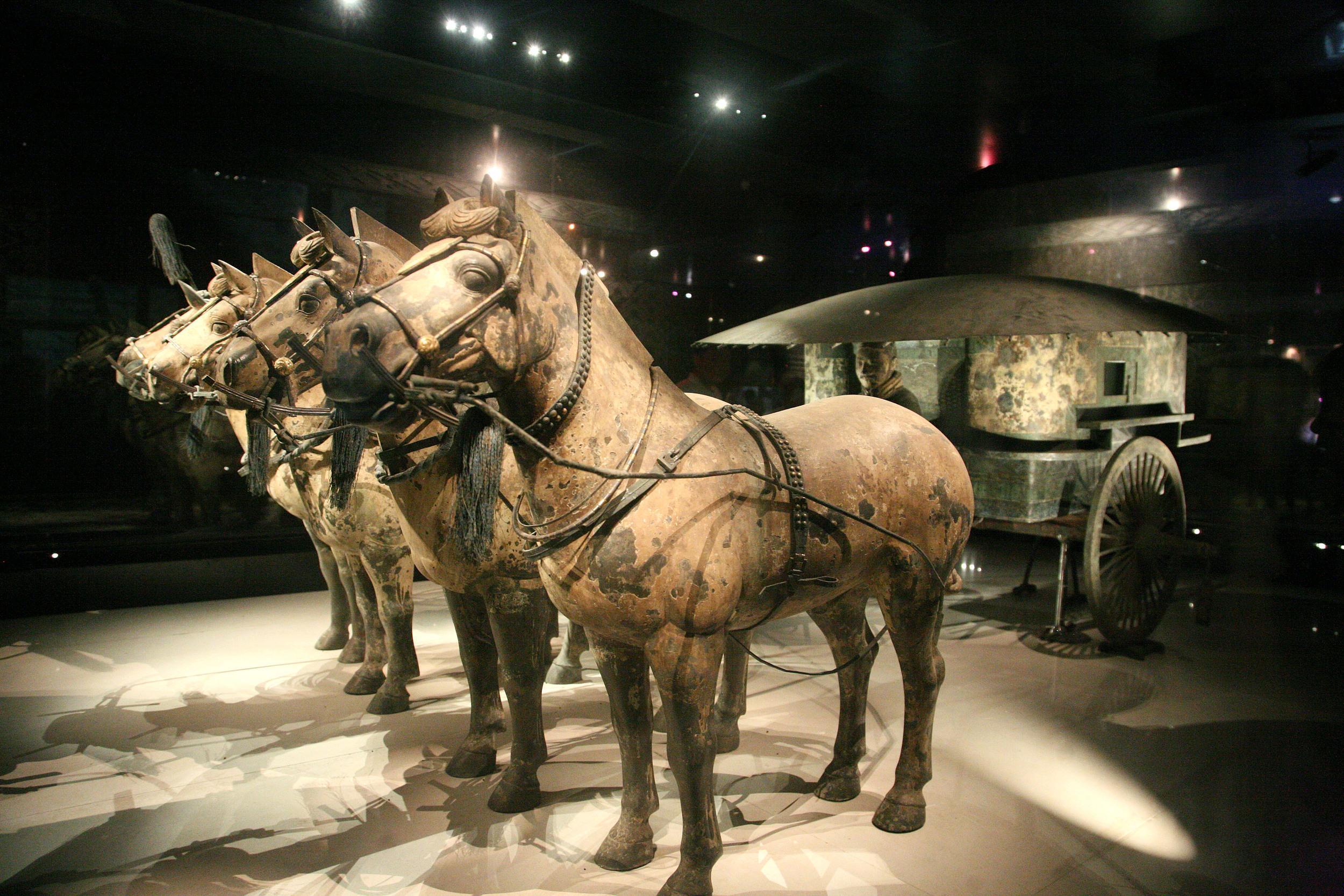
?In ancient times, horse carriages served multiple functions, including transportation, military use and ceremonies. The history of the carriage goes back a long way, and as its design evolved, so too did methods of harnessing.
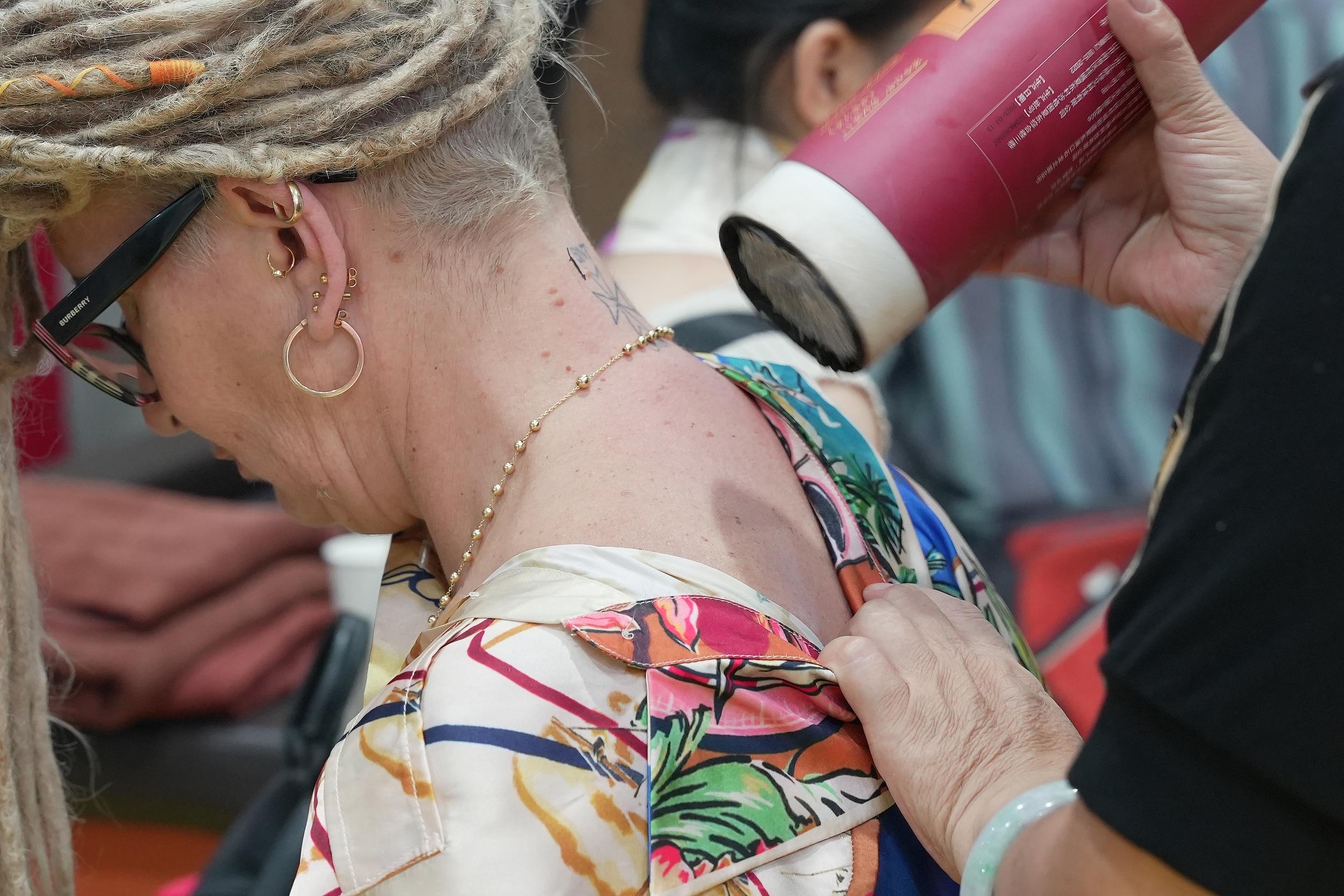
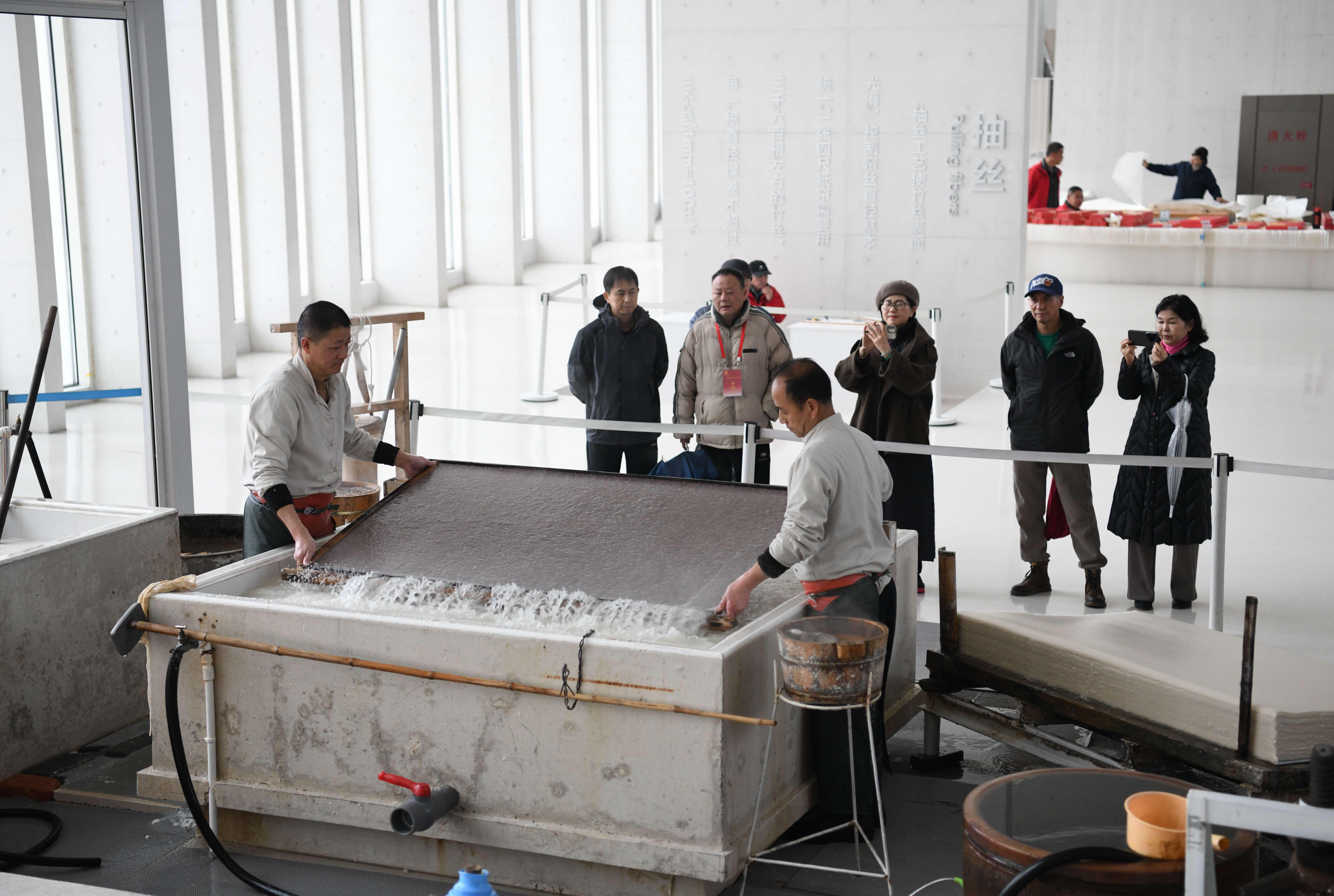
Xuan paper originated in ancient China, and is renowned for its softness and delicate texture, making it ideal for expressing the artistry of Chinese calligraphy and painting.
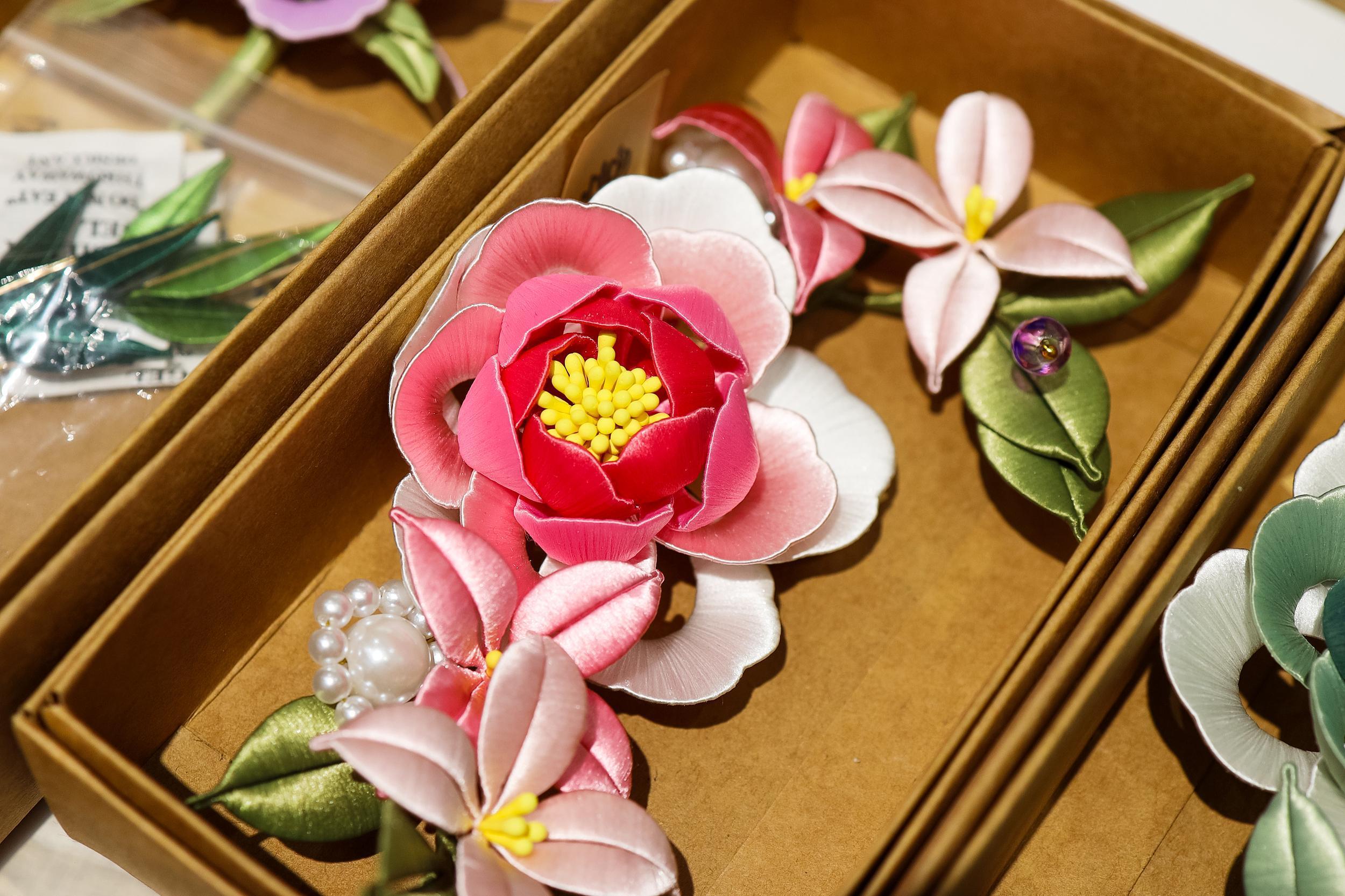
?Traditional Chinese sericulture and silk craftsmanship is a complex handicraft system involving many skills such as growing mulberries, raising silkworms, silk reeling, dyeing and fabric weaving as well as folk customs and practices derived from silk production.
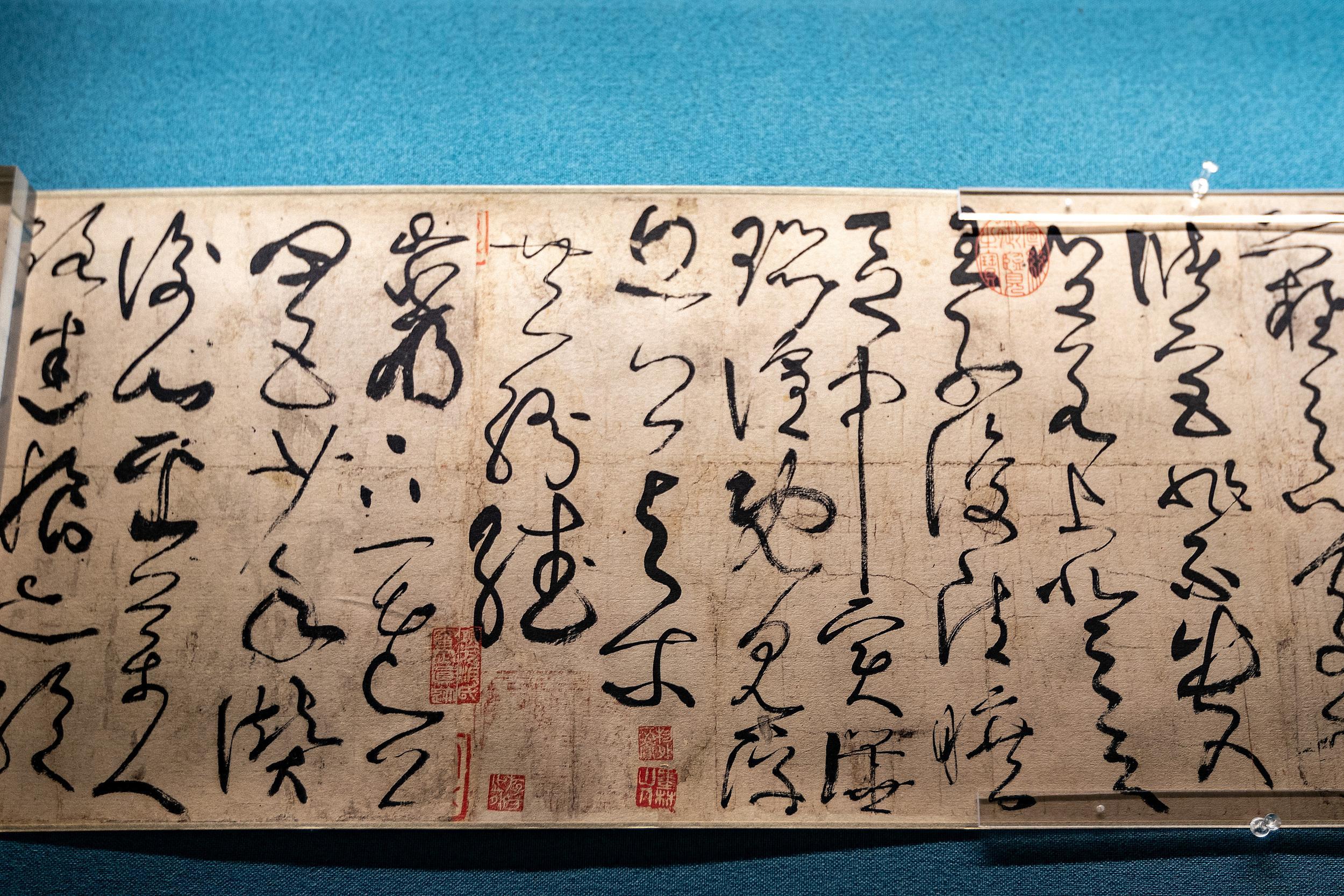
?Chinese calligraphy is the writing of Chinese characters as an art form, combining purely visual art and interpretation of the literary meaning. This form of expression, which is traditionally held in high esteem across the country, is also a clear manifestation of Chinese philosophy that has influenced Chinese people for several thousand years.
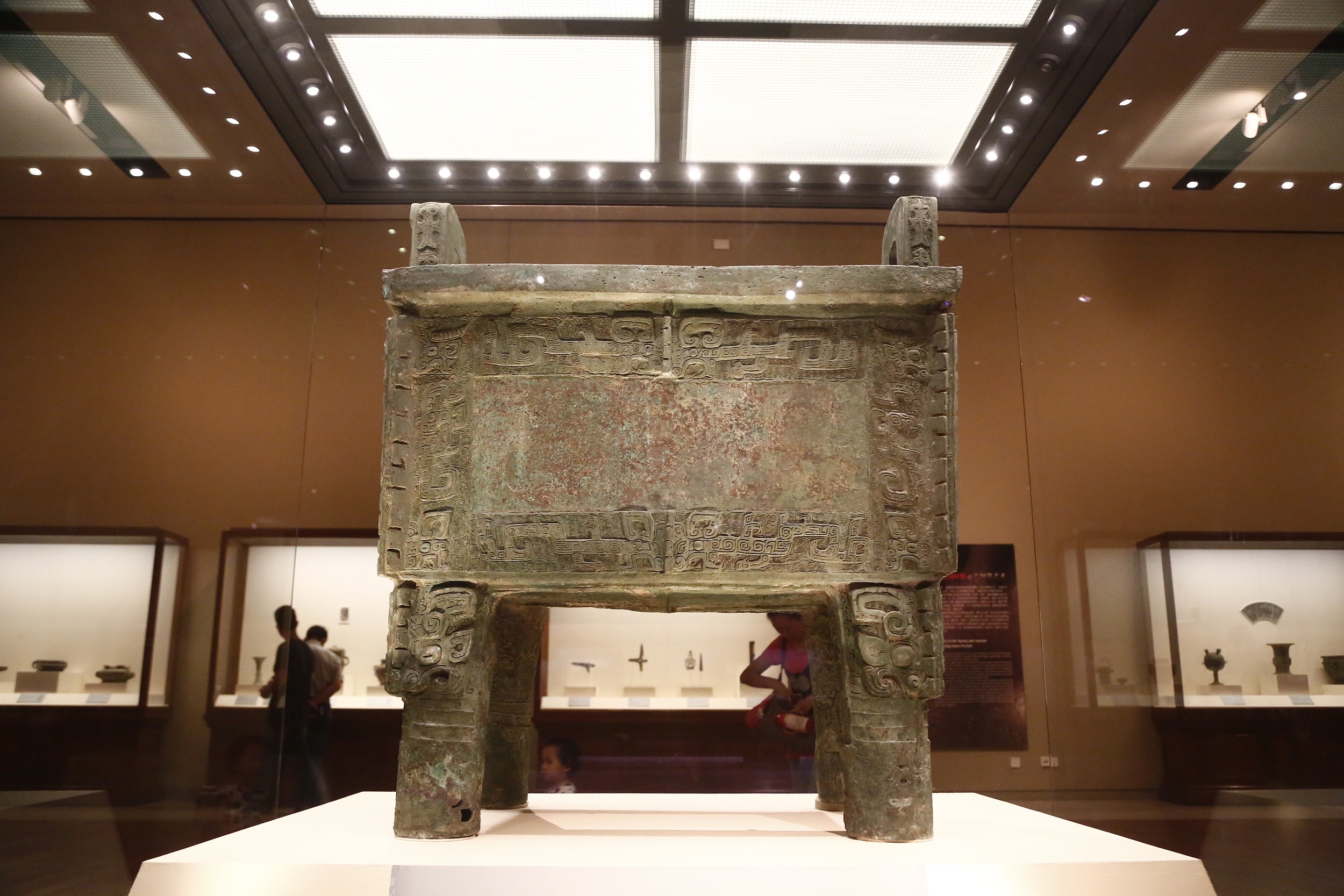
The earliest known bronze in China is an almost 5,000-year-old bronze knife unearthed at the Majiayao cultural site in Dongxiang, Gansu province, which contains 6-10 percent tin and is thought to have been made by smelting. By the Xia Dynasty (2070-1600 BC), China had already started to use pottery mold and piece-mold castings to cast bronze wares, which developed into the Shang and Zhou periods (1600-256 BC), culminating in a large bronze ritual civilization unique to China.

The famous karez system, a vertical tunnel irrigation system in desert areas, is known as one of the three great projects of ancient China, along with the Great Wall and the Beijing -Hangzhou Grand Canal. It is commonly found in Turpan Basin, Xinjiang Uygur Autonomous Region.
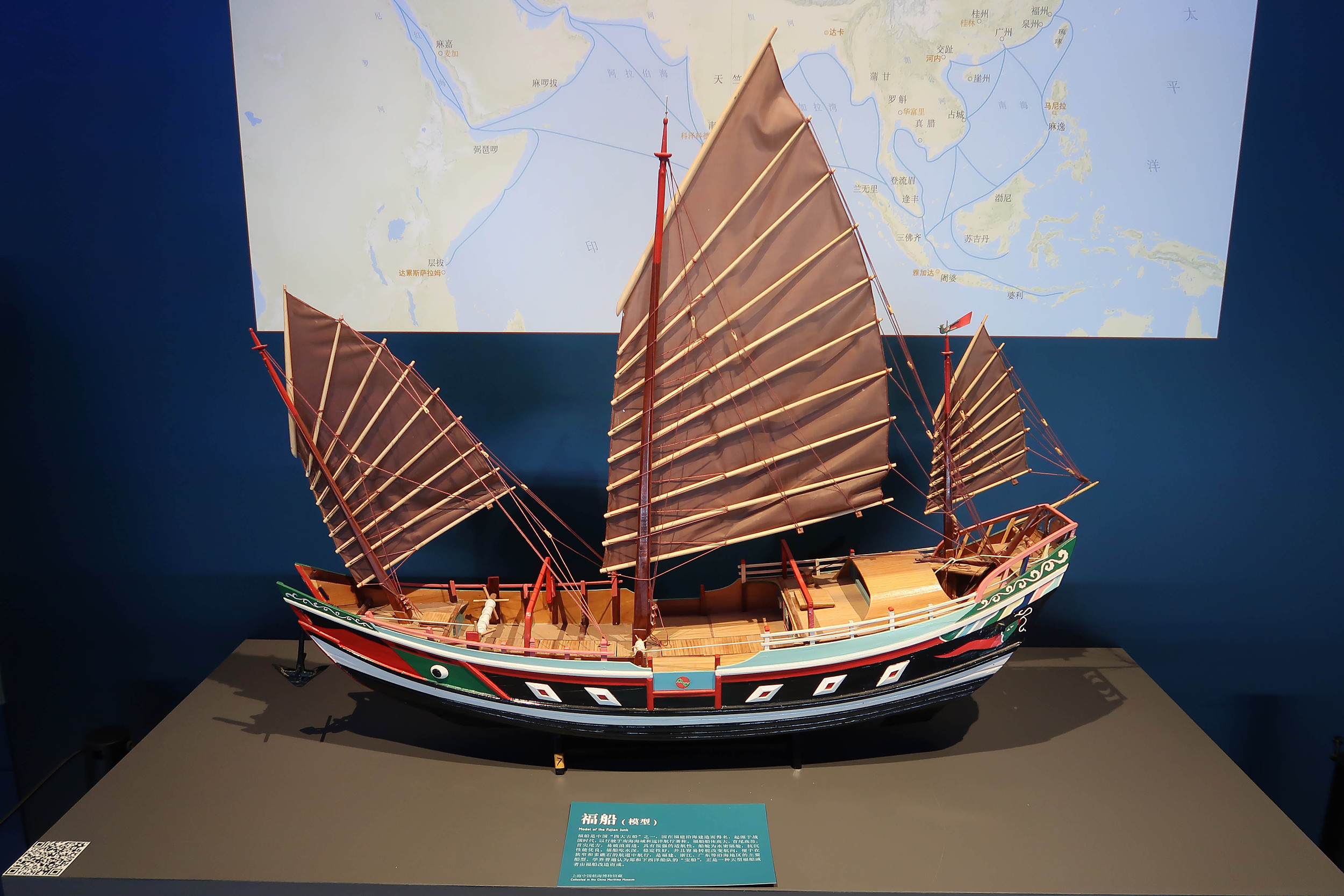
The watertight bulkhead technology of Chinese junks was inscribed both on the Representative List of the Intangible Cultural Heritage of Humanity and the List of Intangible Cultural Heritage in Need of Urgent Safeguarding by UNESCO in 2010.
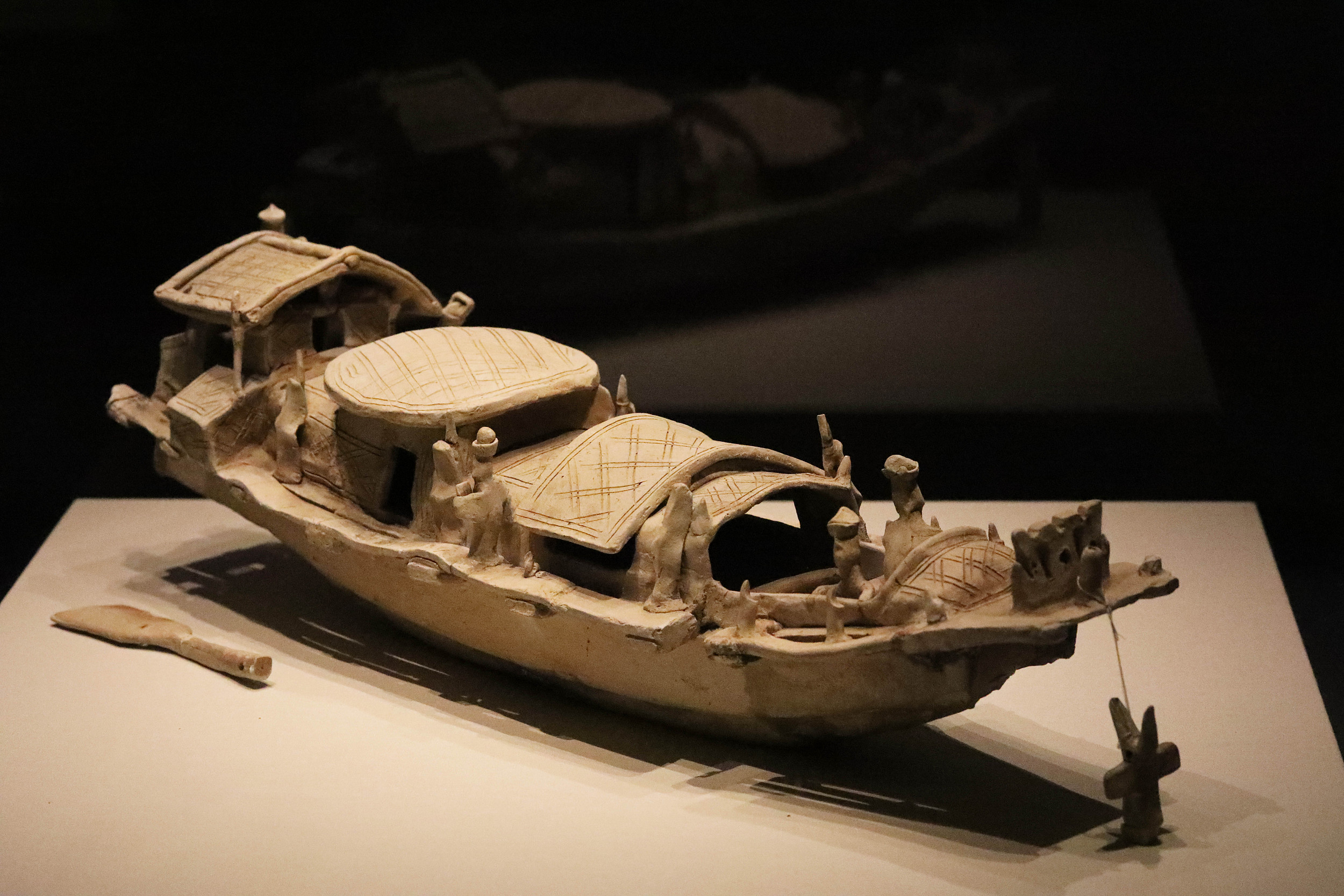
China is the first country in the world to invent the rudder, which is a major achievement in China's shipbuilding and navigation technology, and subsequently went on to have a profound influence on the world of navigation.
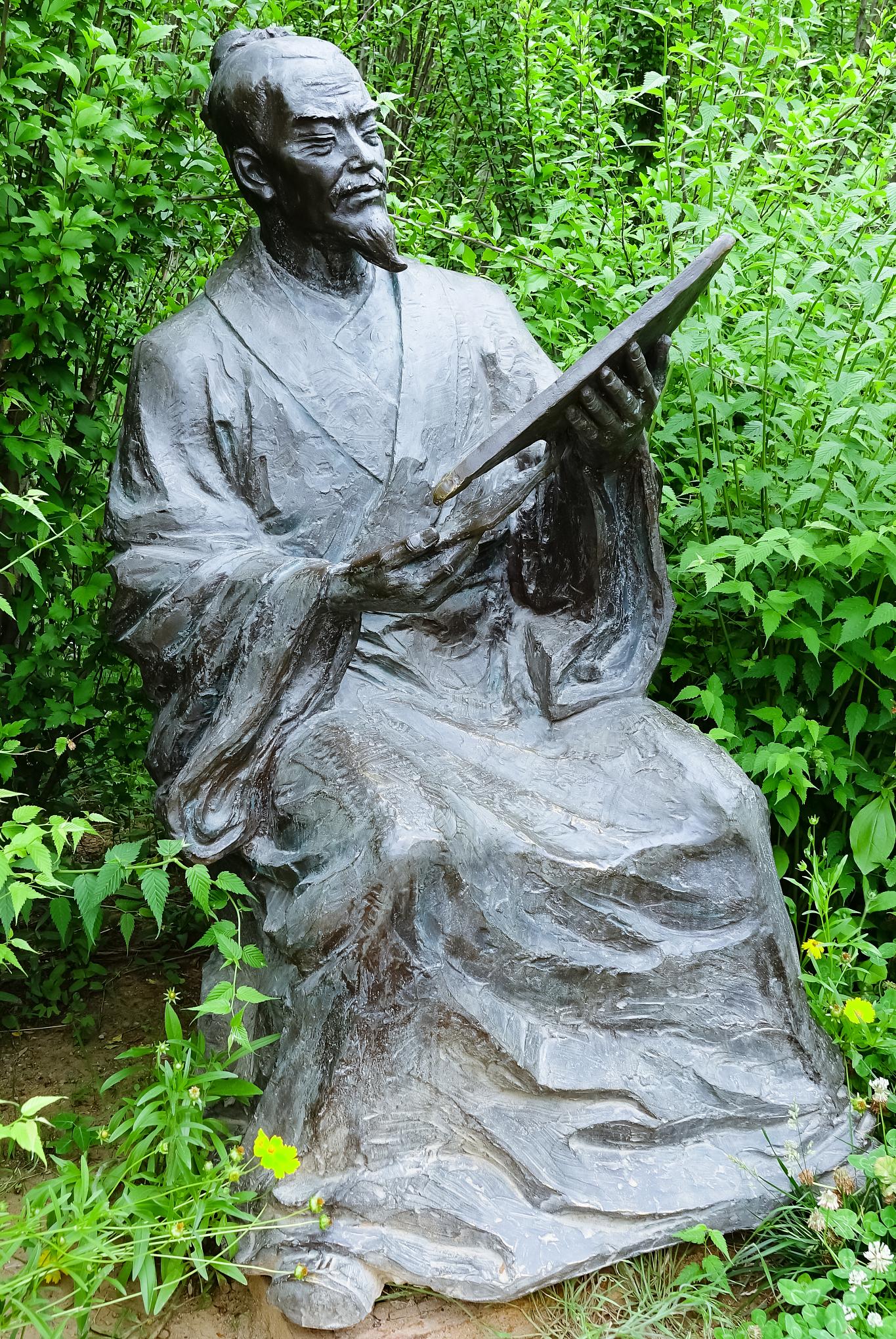
In the 1970s, the International Astronomical Union (IAU) named a lunar crater after Ming Dynasty official Wan Hoo, (also known as Wan Hu), in recognition of his daring attempt at space travel. This historical figure may have led us to imagine that space exploration began far earlier than we believe.

Lu Ban (507 -440 BC), an ancient Chinese carpenter and inventor, was revered as the god of craftsman in history. His achievements have become the stuff of legends.
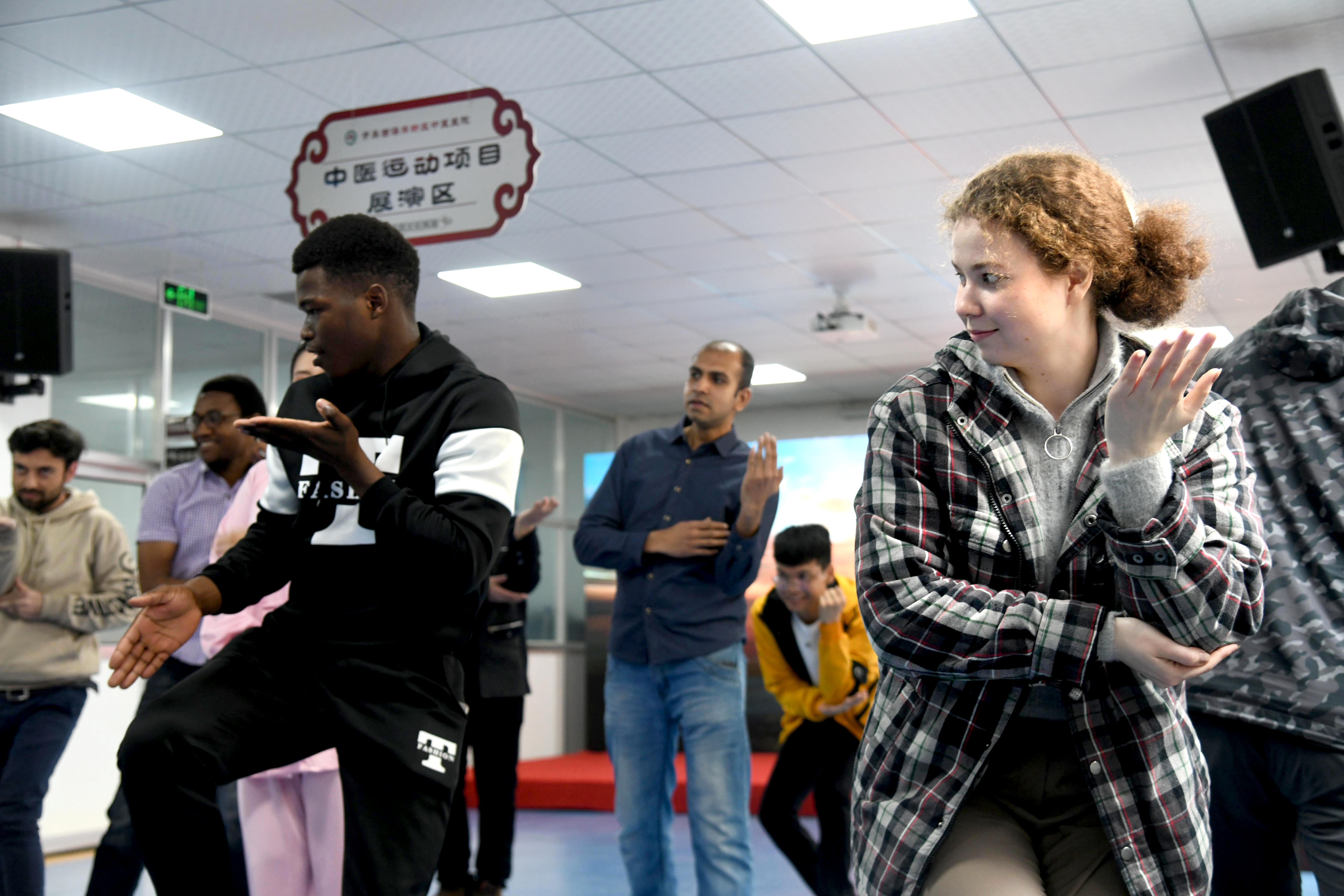
Hua? Tuo,? a? renowned? ancient Chinese physician, was a pioneer in developing numerous classical ways of promoting health and well-being. He attached great importance to the benefits of moderate exercise in preventing diseases.
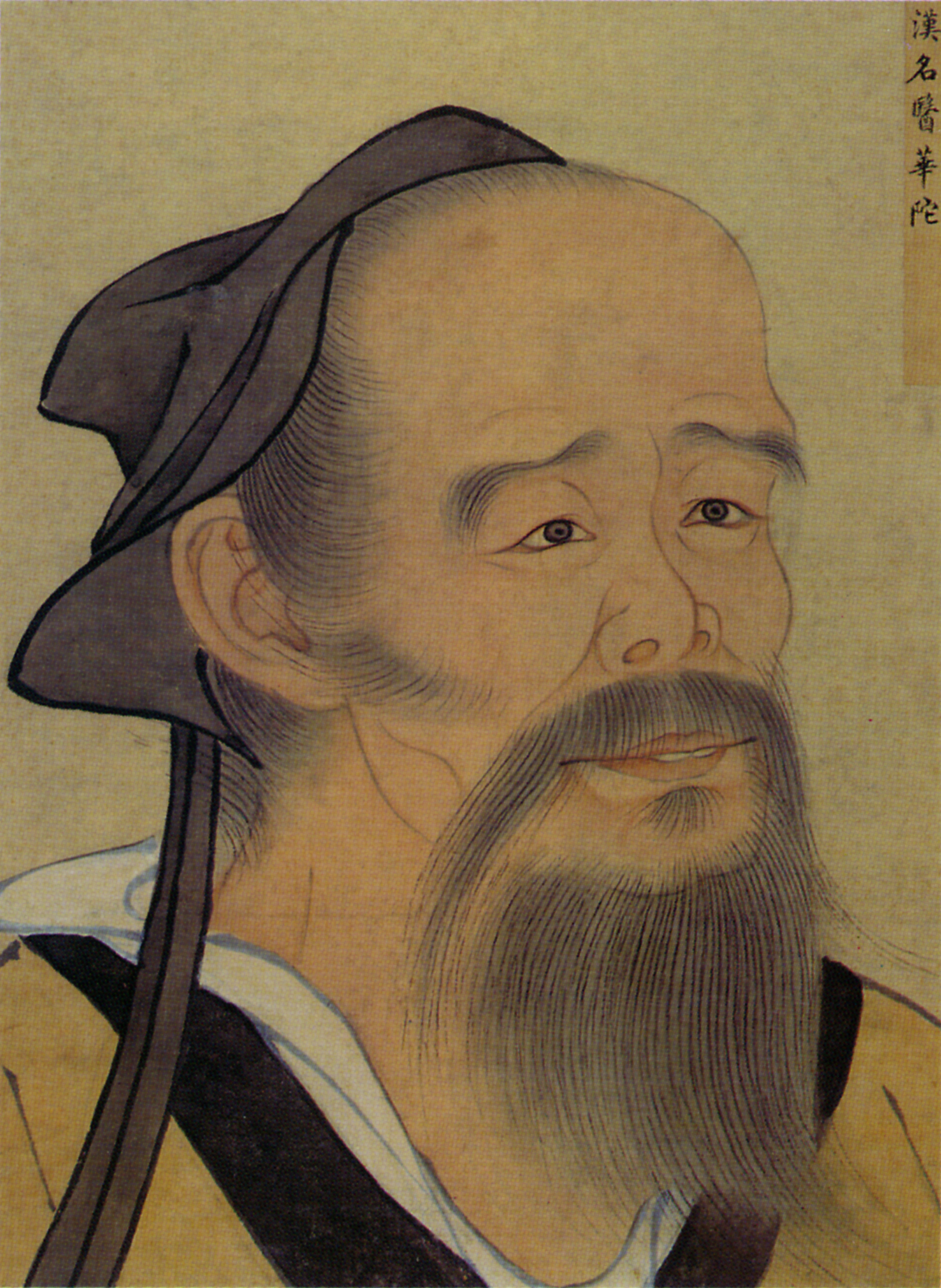
It is recorded that Mafeisan, the first anesthetic drug in the world, was created by Dr. Hua Tuo for surgical operations.

Acupuncture and moxibustion, two therapies in traditional Chinese medicine (TCM) originated in ancient China and developed over thousands of years by Chinese practitioners.

Dujiangyan is a renowned ancient flood control and irrigation system in Sichuan province, southwest China. It was first built around 256 B.C. as a large-scale water conservancy project by Li Bing, a hydraulic engineer who served the state of Qin as a governor of Shu County.
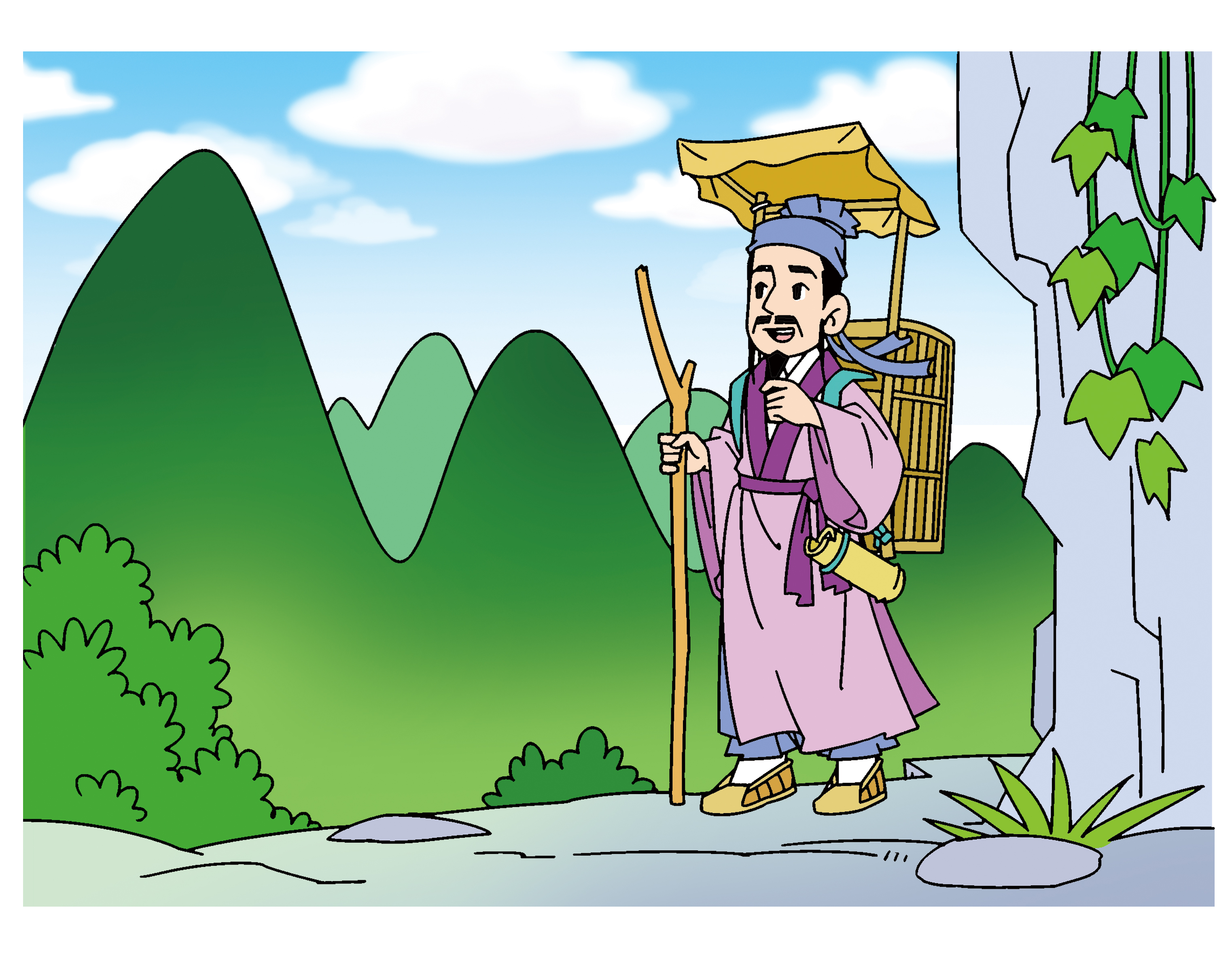
Ye Tianshi (1666-1745) was a well-renowned medical practitioner in the Qing Dynasty, and the first person who discovered scarlet fever in China.

Chinese Zhusuan is the knowledge and technology of arithmetic calculation using an abacus. It was inscribed on the UNESCO Representative List of the Intangible Cultural Heritage of Humanity in 2013.

?Chinese President Xi Jinping sent a congratulatory message to the 7th China-Russia Energy Business Forum in Beijing on November 25, sparking enthusiastic responses from various sectors in both countries.
Liang Wenfeng, founder and CEO of the Chinese AI firm DeepSeek, and "deep diver" Chinese geoscientist Du Mengran are on the annual "Nature's 10" list, which highlights 10 people at the heart of some of the biggest science stories of 2025.