
友情鏈接
- Copyright ? Science and Technology Daily, All Rights Reserved
- 科技日報社 中國科技網 版權所有
- 京ICP備06005116號
- 違法和不良信息舉報電話:010-58884152
- 京公網安備 110402500060

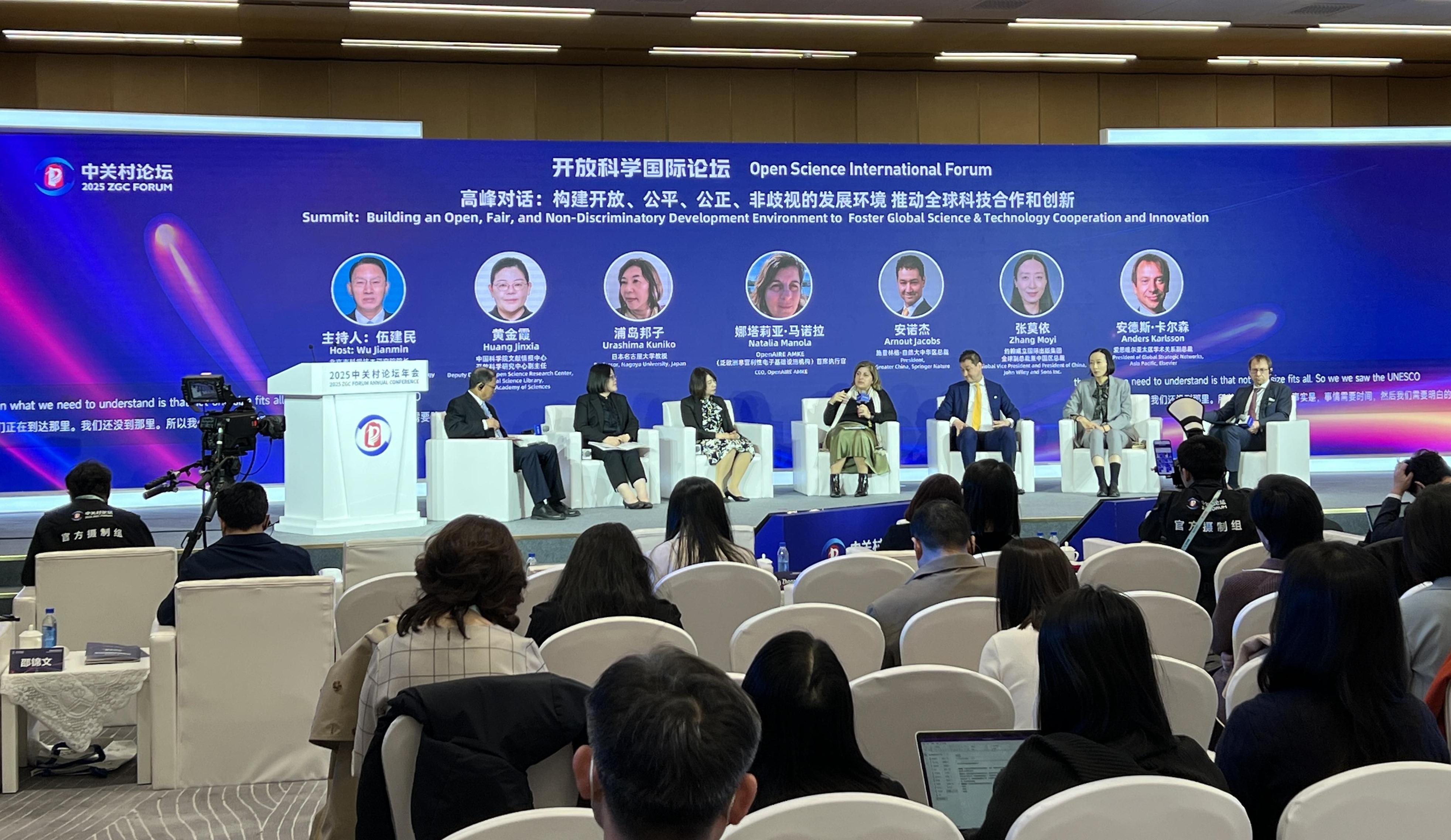
It is necessary to promote the opening up and sharing of scientific research infrastructure, make good use of multilateral mechanisms, and establish and improve international open sharing platforms, Chen Jiachang, China’s vice minister of science and technology, said at the Open Science International Forum, part of the 2025 Zhongguancun Forum Annual Conference, on March 28.
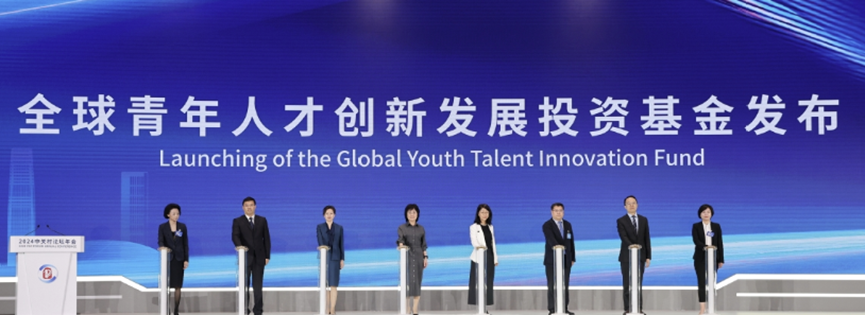
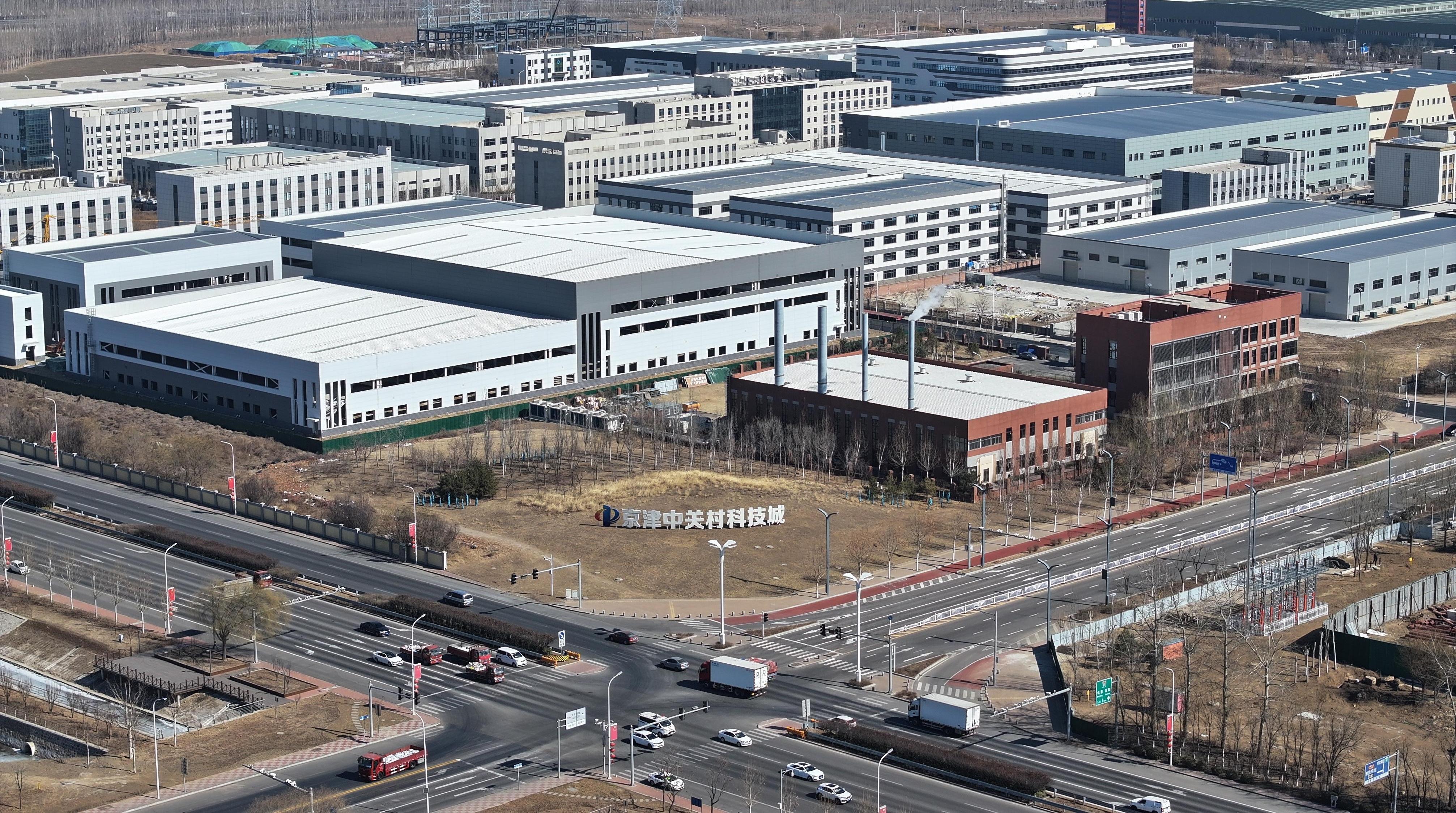
Amid China's accelerating tech boom marked by breakthroughs in AI, quantum computing, and emerging startups like DeepSeek, the 2025 Zhongguancun (ZGC) Forum Annual Conference is set to take place in Beijing from Mar 27 to 31.

According to data released by the National Cultural Heritage Administration (NCHA), museums across China received approximately 72.65 million visits from January 29 to February 4 this year, the first seven days of the Spring Festival holidays, with daily attendance increasing by 12.84 percent compared to the previous year.

The third session of the 14th National People's Congress (NPC) and the third session of the 14th National Committee of the Chinese People's Political Consultative Conference (CPPCC) came to a close earlier this week, with the deputies and members giving some exciting news about science and technology breakthroughs.

This year's Government Work Report calls for promoting high-quality development, expanding high-level opening up, and stabilizing foreign trade and investment. China will further open its doors, creating more opportunities for foreign enterprises and trade participants.
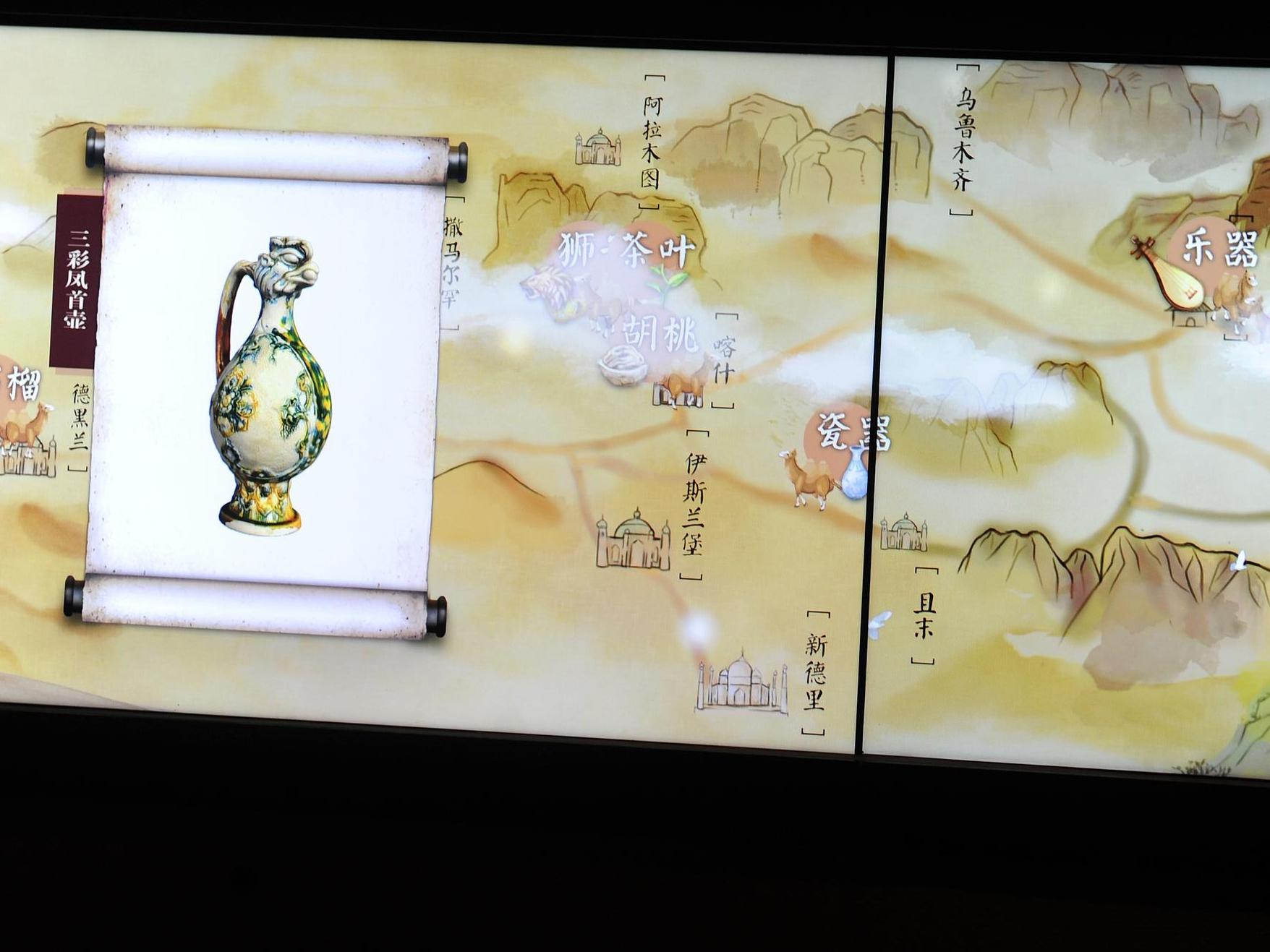
?China has been harnessing the power of technology to create synergy between traditional culture and modern digital innovation. It is a journey promoting the development of both cultural undertakings and the cultural industry, emphasizing the dual engine of cultural projects and the cultural industry to boost the nation's cultural soft power.
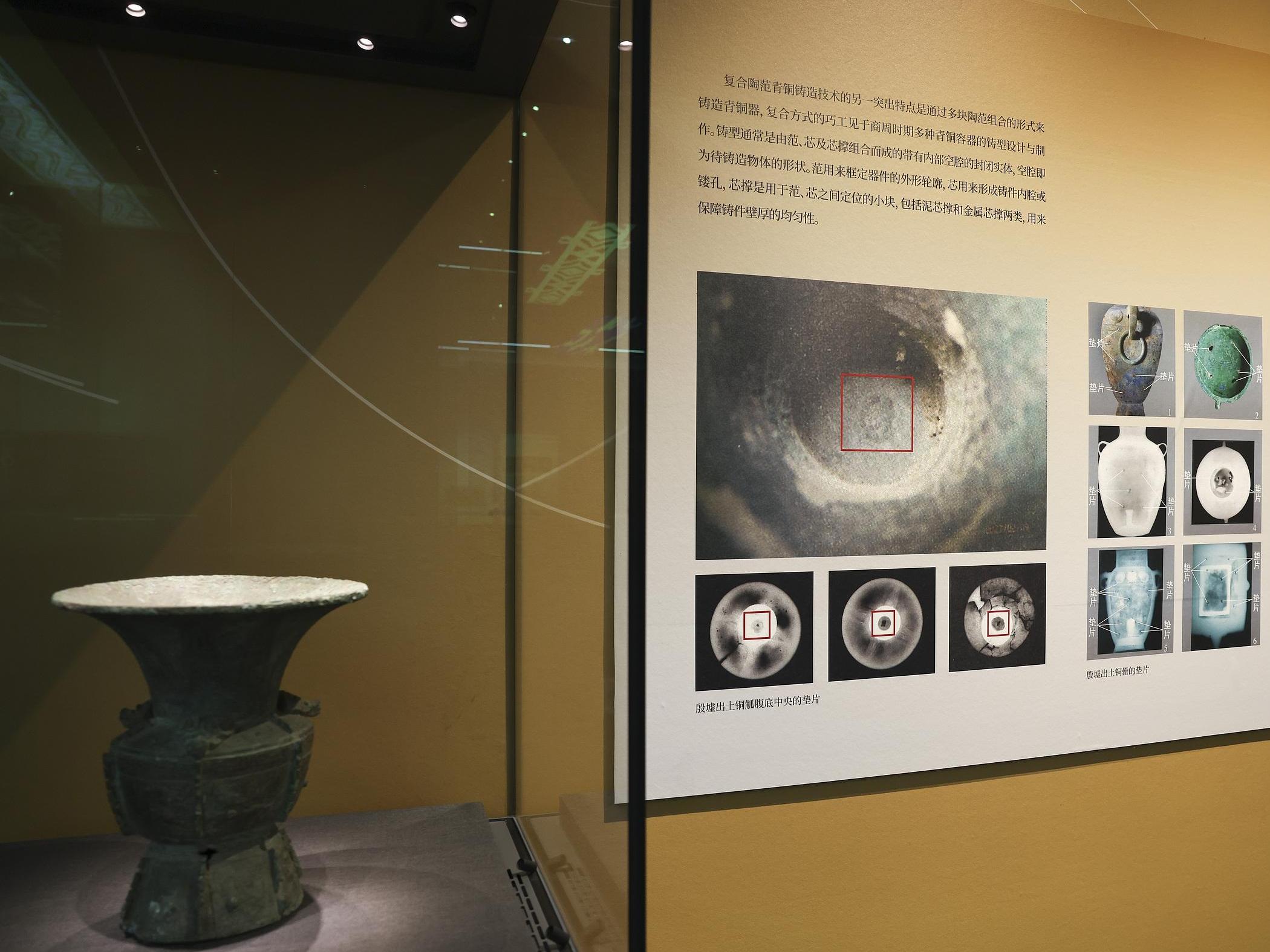
?Recent archaeological discoveries across China are reshaping people's understanding of the nation's ancient history, leveraging cutting-edge scientific technology to uncover the roots of Chinese civilization. From human evolution to agricultural revolutions, these breakthroughs are shedding new light on China's extensive cultural and historical legacy.
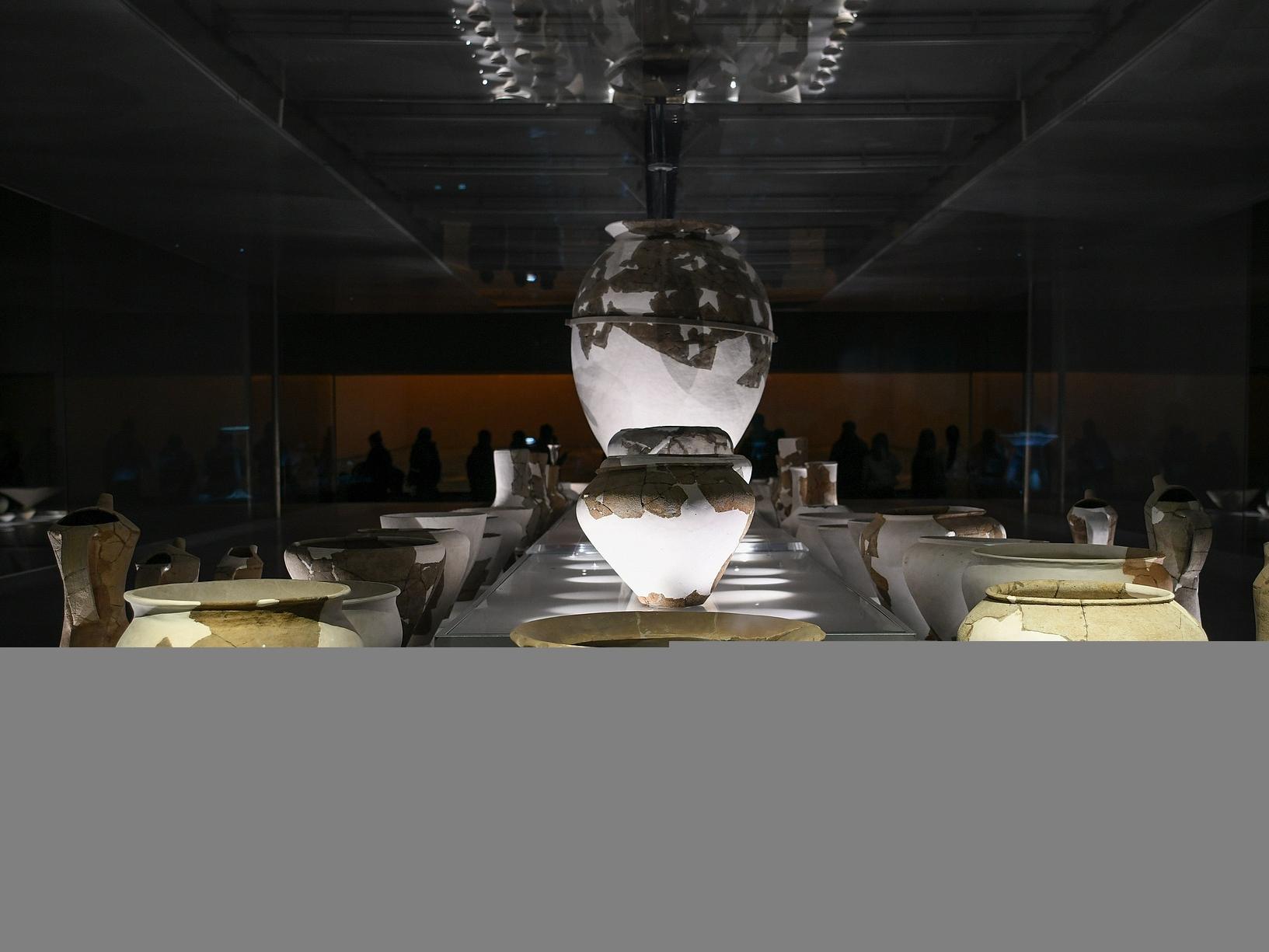
In recent years, China has made remarkable strides in leveraging cutting-edge technologies to safeguard its rich cultural heritage. From the ancient Great Wall to priceless artifacts from the rich Sanxingdui archaeological site, a major Bronze Age culture, advancements in scientific research are redefining the way historical treasures are protected, preserved and passed down to future generations.
After the third session of the 14th National People's Congress opened in the Great Hall of the People in Beijing on March 5, Chinese ministers responded to people's concerns and the challenges to the development of sci-tech innovation in China, in the traditional Q&A sessions in the hallway, known as passage interviews.

As an important part of the national economy, the private sector is the main driver of startups and employment, and a key player in technological innovation. To realize high-quality development, private enterprises need to strengthen their awareness of sci-tech innovation, and seek innovation-driven development instead of the traditional labor or resource-driven path.
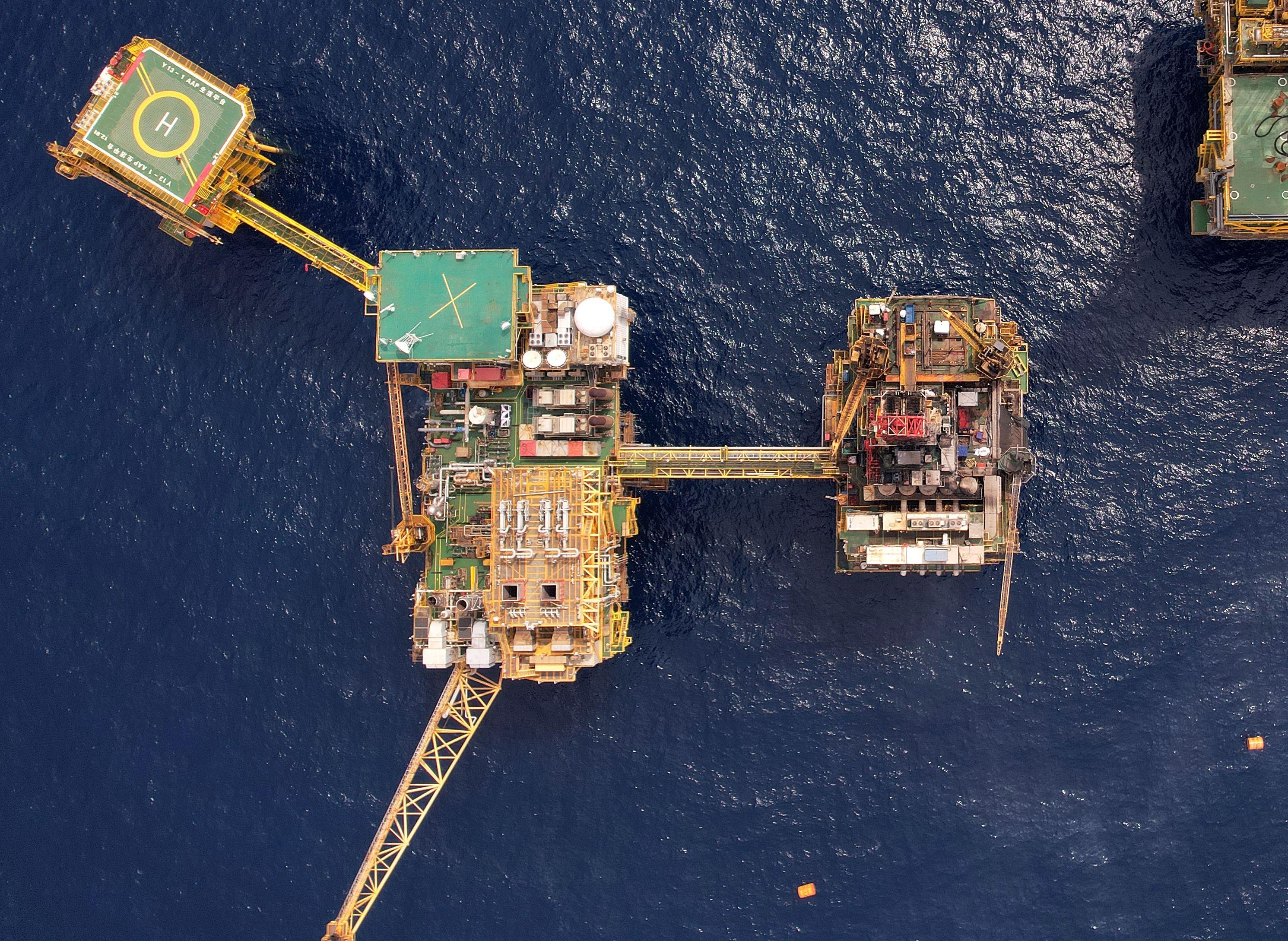
?Deep Sea No. 1, China's first independently developed ultra-deepwater gasfield, has recorded a cumulative natural gas output exceeding 10 billion cubic meters and over one million cubic meters of condensate oil. In 2024 alone, the field produced more than 3.2 billion cubic meters of natural gas, marking the third consecutive year of annual production surpassing three billion cubic meters.

A major road that plays music has gone viral. As part of national highway G333, Yaxue Road, located in northeast China's Heilongjiang province, spans approximately 95.85 kilometers. The road features four segments of musical roads along its route. As vehicles drive over these sections, different songs can be heard.

?During the Spring Festival, Science and Technology Daily reporters traveled across the country to explore how sci-tech innovation has improved people's well-being.

?Chinese President Xi Jinping sent a congratulatory message to the 7th China-Russia Energy Business Forum in Beijing on November 25, sparking enthusiastic responses from various sectors in both countries.
Liang Wenfeng, founder and CEO of the Chinese AI firm DeepSeek, and "deep diver" Chinese geoscientist Du Mengran are on the annual "Nature's 10" list, which highlights 10 people at the heart of some of the biggest science stories of 2025.