U.S. in No Position to Blame China on Climate
At a recent UN Security Council meeting on climate and security, U.S. representative Dan Negrea criticized China over its carbon emissions, disregarding China's large population and development needs.
Geng Shuang, China's deputy permanent representative to the UN, responded to the allegations, saying that China, with a population of 1.4 billion and the second-largest GDP in the world, "is contributing annually more than 30 percent to the world economic growth, and its per capita emission is not among the highest in the world."
Geng critiqued the U.S. for undermining global efforts by withdrawing from the Paris Agreement twice and urged collaboration instead of blaming others.
In recent years, the U.S., the country with the biggest historical responsibility for the current climate warming, has dithered on its climate policy and reversed many significant decisions.
This year, under the Donald Trump administration, Washington withdrew from the Paris Agreement -- for the second time -- and issued multiple executive orders to lift restrictions on domestic coal development while expanding oil and gas production.
An analysis led by researchers from Princeton University suggests that this reversal of climate policies will cause the U.S. to emit an additional 470 million tonnes of greenhouse gases annually over the next decade.
On the issue of climate, the U.S. has not only let the world down by refusing to shoulder its share of the responsibilities but also deliberately obstructed the efforts of others.
According to Politico, the U.S. government is leveraging its trade influence to coerce the EU, Japan and others into purchasing American oil and natural gas. It is also deliberately deploying diplomatic tools to prevent other countries from reducing the use of fossil fuels.
During the International Maritime Organization meeting in October, the U.S. delayed the implementation of a proposed global carbon tax on shipping by threatening and pressuring the negotiators from other countries.
According to a commentary in npj Climate Action, an open-access journal published by Nature, U.S. climate actions not only undermine decades of progress in transitioning to clean energy but also pose a direct threat to the global community’s ability to limit global warming to 1.5–2?°C.
The commentary, published in July, was authored by Carlos Garcia-Soto, a senior researcher at the Spanish National Research Council.
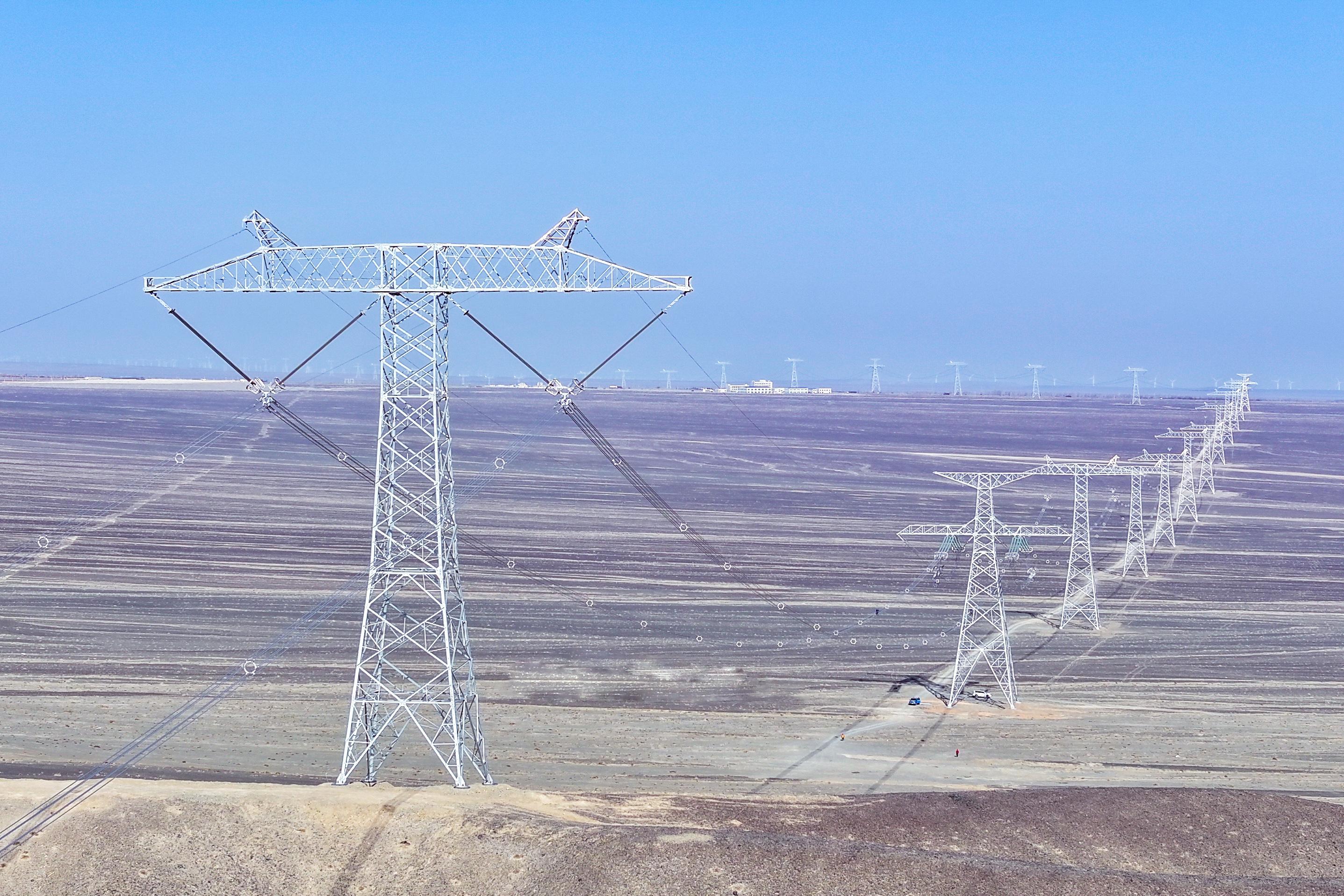
Unlike the U.S., China is firmly advancing the transition to renewable energy and improving climate governance. It is also exporting clean energy technologies and products and leading the global decarbonization process.
According to the global energy think tank Ember, China is the world’s largest investor in clean energy, with an investment of $625 billion in 2024, accounting for 31 percent of the world’s total.
In 2024, clean energy accounted for 84 percent of China’s electricity growth, and clean energy generation in the first half of this year increased by 27 percent year on year.
From 2022 to 2024, China’s installed capacity of wind and solar power surged from 635GW to 1,408GW. In 2025, the total installed capacity of China’s wind and solar power will surpass coal power.
According to a study by the Brussels-based economic think tank Bruegel, China is vital especially for renewable energy products, manufacturing 92 percent of the world’s solar modules and 82 percent of wind turbines as of 2024. China’s production of green energy technologies not only meets its own rapid renewable energy installation needs but is also expected to meet the production capacity required for global decarbonization.
In July, the UK-based Carbon Brief website reported that China’s exports of solar panels, batteries, electric vehicles and wind turbines in 2024 will prevent an estimated 220MtCO2 annually when put into operation overseas.
In sub-Saharan Africa, China’s clean-energy exports in 2024 alone are set to cut annual emissions by around three percent per year, and by around 4.5 percent in the Middle East and North Africa region.
Responding to the climate crisis is a global consensus, and developing clean energy represents the trend of the times. The international community can clearly see who is taking responsible action and who is shifting responsibility, who is seeking cooperation and who is making trouble on the issue of climate change.
China’s clean energy technology has provided certainty for global climate governance. The U.S., perceived as a trouble-maker and responsibility-shirker in global climate actions, has no support and is in no position to blame China.