Great Discoveries of 2025 Nobel Prize in Science
Edited by WANG Xiaoxia
The Nobel Prizes in Physiology or Medicine, Physics and Chemistry, the most prestigious awards given for scientific achievements in the world, have been announced to honor great discoveries in science. Let's have a look at the feats recognized this year.
Physiology or Medicine Award
This year's Nobel Prize in Physiology or Medicine goes to U.S. scientists Mary E. Brunkow and Fred Ramsdell, and Shimon Sakaguchi from Japan, for their discoveries concerning peripheral immune tolerance.
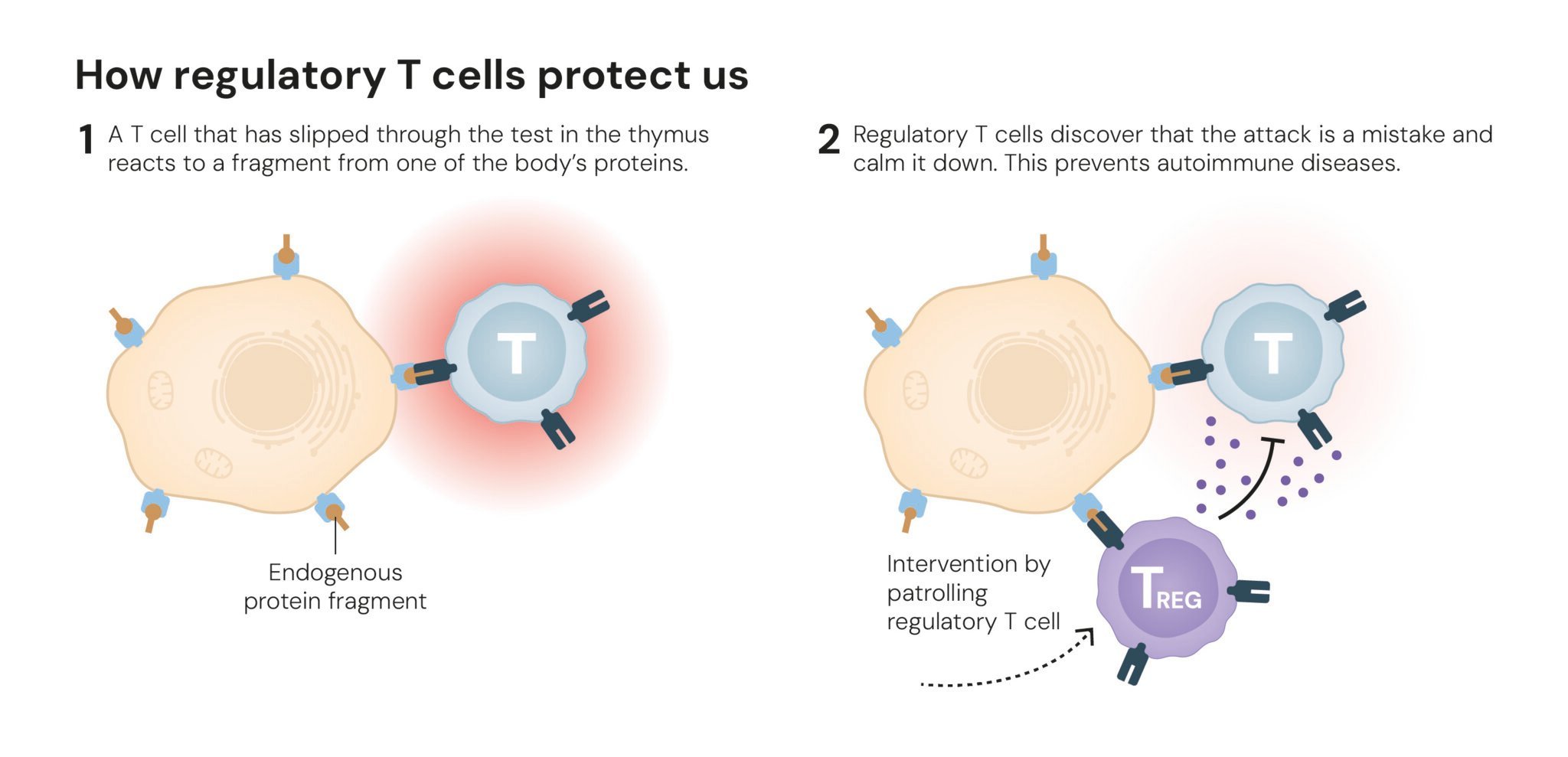
Every day, our immune system protects us from thousands of different microbes trying to invade our bodies. Many of them have developed similarities with human cells as a form of camouflage. So how does the immune system determine what it should attack and what it should defend?
The laureates identified the immune system's security guards, regulatory T cells, which prevent immune cells from attacking the body. Their discoveries have laid the foundation for a new field of research and spurred the development of new treatments, for example for cancer and autoimmune diseases.
Physics Award
The Royal Swedish Academy of Sciences has decided to award the 2025 Nobel Prize in Physics to three scientists based in the U.S. — John Clarke, Michel H. Devoret and John M. Martinis — for the discovery of macroscopic quantum mechanical tunneling and energy quantization in an electric circuit.
A major question in physics is the maximum size of a system that can demonstrate quantum mechanical effects. This year's Nobel laureates conducted experiments with an electrical circuit in which they demonstrated both quantum mechanical tunneling and quantized energy levels in a system big enough to be held in hand.
As quantum mechanics is the foundation of all digital technology, this finding is enormously useful, and can help develop the next generation of quantum technology, including quantum cryptography, quantum computers, and quantum sensors.
Chemistry Award
The Nobel Prize in Chemistry 2025 has been awarded to Susumu Kitagawa from Kyoto University, Japan, Richard Robson from University of Melbourne, Australia, and Omar M. Yaghi from the University of California, Berkeley, USA, for the development of metal-organic frameworks.
The laureates have created molecular constructions with large spaces through which gases and other chemicals can flow. These constructions, metal-organic frameworks, can be used to harvest water from desert air, capture carbon dioxide, store toxic gases or catalyze chemical reactions.
"Metal-organic frameworks have enormous potential, bringing previously unforeseen opportunities for custom-made materials with new functions," said Heiner Linke, chair of the Nobel Committee for Chemistry.