2025 Pujiang Innovation Forum: Shaping the Future Through Shared Innovation
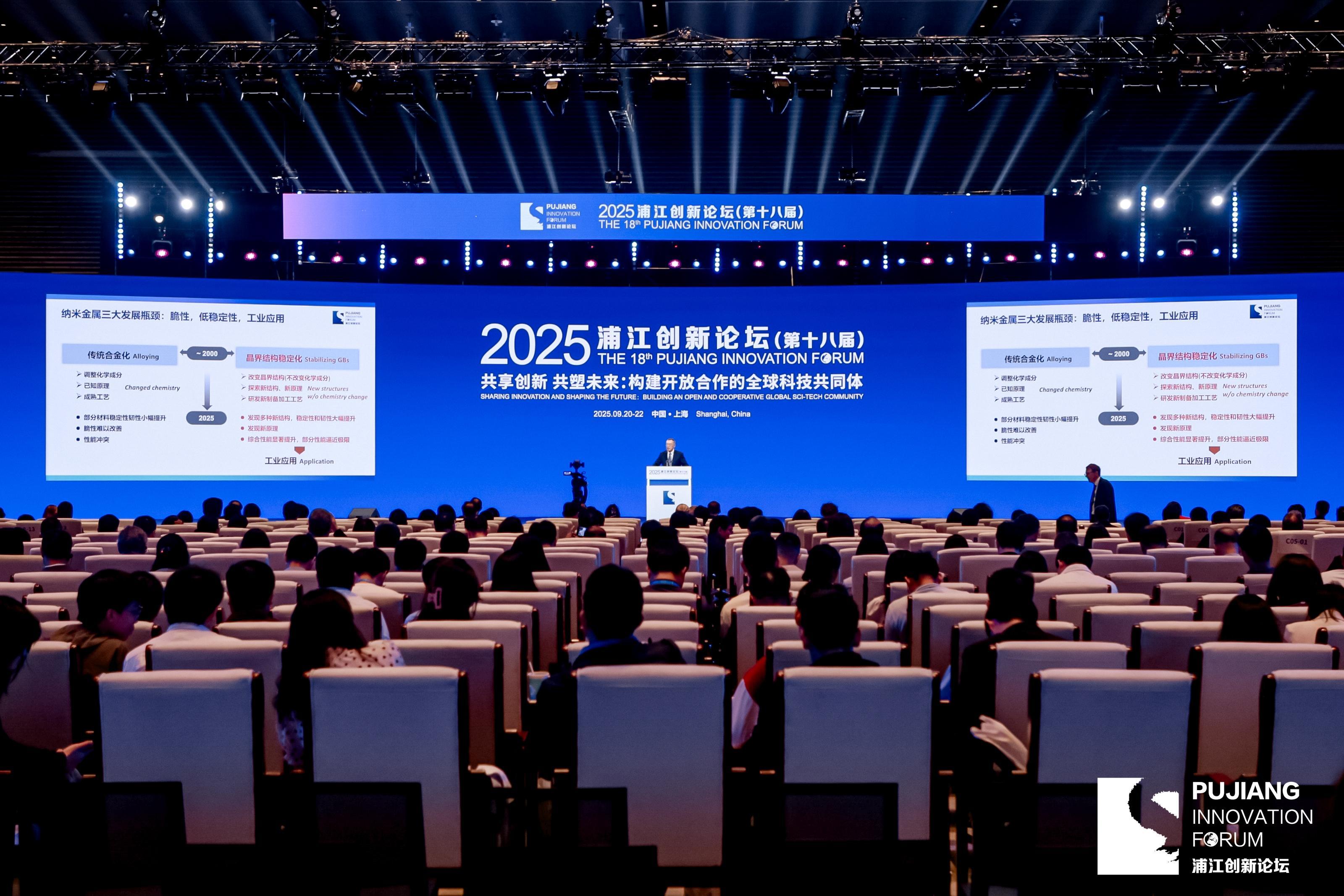
The Pujiang Innovation Forum in Shanghai has established a reputation for pushing open, collaborative research from slogan to practice by bringing policymakers, prize-winning scientists, industry leaders and young researchers together.
Elevating international collaboration
The 18th edition, held from September 20 to 22, captured a timely impulse with its theme "Sharing Innovation and Shaping the Future: Building an Open and Cooperative Global Sci-tech Community."
Learn-Han Lee, professor in life science and healthcare at China Beacons Institute, University of Nottingham Ningbo China, told Science and Technology Daily the theme captured a fundamental truth: The most pressing challenges of our time, from pandemic preparedness to climate change and food security, are all borderless.
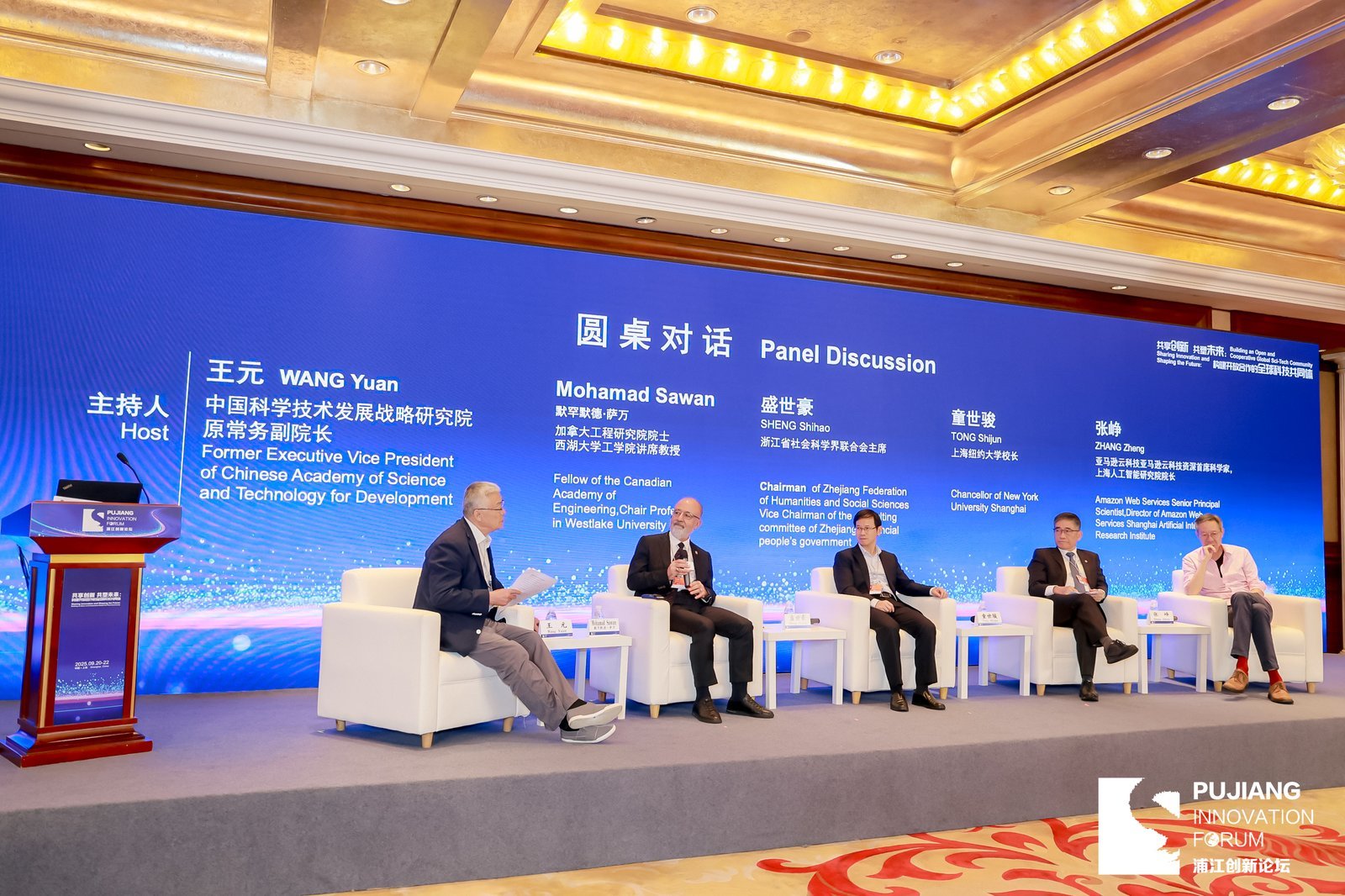
Mohamad Sawan, fellow of the Canadian Academy of Engineering and chair professor at Westlake University in east China, affirmed that "sharing innovation should shape the future." However, achieving such openness requires more than good intentions. He called on countries to share knowledges to encourage global cooperation and achieve higher progress.
Belarus was the guest country of honor at this year's forum, with the closing ceremony of the China-Belarus Year of Sci-Tech Innovation held during the forum. Over 65 ongoing joint research projects were showcased in a dedicated exhibition, underscoring the deepening strategic partnership between the two nations under the Belt and Road Initiative and in the China-Belarus Great Stone Industrial Park.
Beyond bilateral cooperation, the forum also hosted a series of China-Europe, China-Germany, and China-Switzerland science and technology events, drawing participants from leading overseas universities and research institutions.
Driving technology transfer and venture growth
The forum brought Nobel, Wolf and Turing Award recipients, as well as leaders in frontier domains—quantum intelligence, embodied AI, and controllable nuclear fusion—creating an ecosystem for moving from high-level dialogue to practical transfer of knowledge.
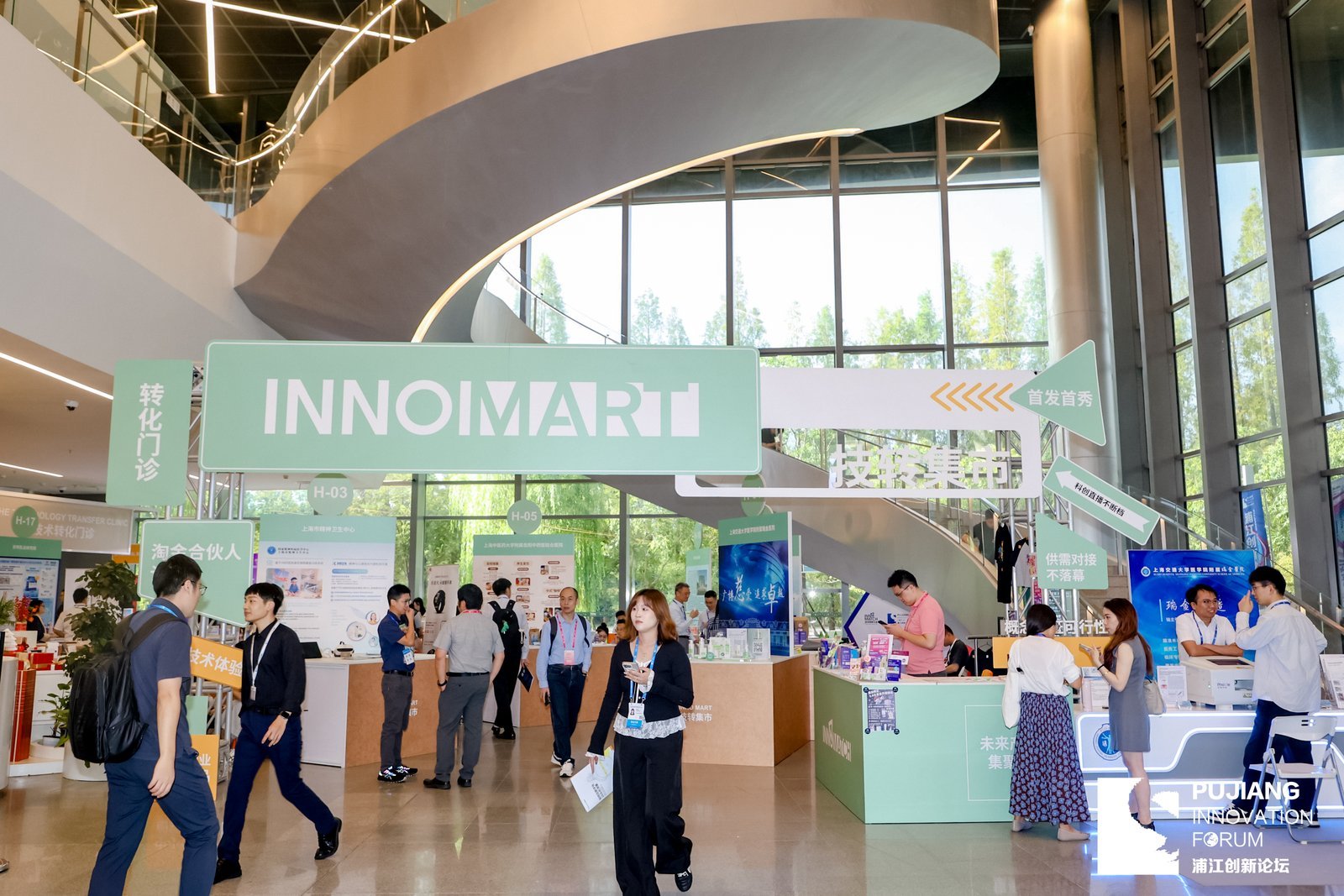
Two flagship initiatives exemplify the practical turn. The InnoMatch conference released 10,000 technical demands with enterprises committing funding over 20 billion RMB to accelerate technology transfer. WeStart's TOP100 Startup Competition and new "Invest Early, Invest Small Alliance" aim to cultivate early-stage ventures—an acknowledgment that ideas require capital, mentorship and networks to cross the "translation bridge" from lab bench to market.
For Sawan, China is uniquely positioned to catalyze change: "China is much better organized to encourage citizens and groups to translate research results into products," he observed, citing robust industry-academia integration as a comparative advantage.
Lee echoed Sawan, saying, "The research ecosystem in China is uniquely dynamic and impactful, and the deep industry-academia integration is perhaps one of the greatest advantages."
He gave the example of his own research, saying that in Ningbo and the broader Yangtze River Delta, they are surrounded by a dense cluster of biotech, pharmaceutical, and digital health companies, with whom they can collaborate to develop diagnostic tools and novel therapies.
Building the next generation of innovators
The Special Youth Session and widespread inclusion of early-career scientists reflected Sawan's conviction that "the future starts now." He advised young scholars to prioritize international collaboration to maximize their contributions and accelerate access to top-quality results.
At the Special Youth Session, Dai Guohao, associate professor at Shanghai Jiao Tong University and co-founder of Infinigence AI, and Wang Guangyu, professor at Beijing University of Posts and Telecommunications and the first "post-1990s" recipient of the "Xplorer Prize," both said young researchers should have the courage to engage in high-value, problem-driven research. Only in this way can they experience a stronger sense of accomplishment in their future scientific endeavors.
In Lee's view, young scientists are the primary agents of the "open and cooperative community" the forum envisions. He called on young scholars to first build their scientific excellence, be proactively curious and network, and develop cultural and ethical intelligence. "Being a thoughtful and reliable collaborator is as important as being a brilliant scientist," he added.
With its emphasis on international collaboration, youth engagement, and global problem-solving, the 2025 Pujiang Innovation Forum reaffirmed China's commitment to building an inclusive, collaborative, and forward-looking global science ecosystem.