China's Green Governance and Its Global Implications
For two decades, China's environmental governance has been guided by the principle that "lucid waters and lush mountains are invaluable assets." This innovative philosophy has transformed policies, driven technological advancement, and demonstrated how ecological protection and economic growth can reinforce each other. Today, this successful model offers valuable insights for developing nations pursuing sustainable development.
Win-win formula in practice
The principle that "lucid waters and lush mountains are invaluable assets" illustrates that ecological conservation and economic development are not mutually exclusive; instead, they can achieve synergistic, win-win outcomes through systematic innovation.
In this process, ecological value must be converted into economic momentum via policy guidance and market mechanisms. Policymaking must balance long-term ecological security with short-term livelihood safeguards, while technological innovation, combined with traditional wisdom, offers robust support for ecological governance. Public participation enhances social consensus through institutional design and community-led initiatives, and ecological industries must deeply integrate with rural revitalization to form diversified development pathways — ultimately establishing a virtuous cycle of ecological protection, economic growth, and livelihood improvement.
China's experience provides globally transferable systemic insights: Ecological revitalization must aim for a "conservation-development-sharing" closed loop, balancing short-term development pressures with long-term ecological security to avoid the "pollute first, treat later" trap. Its essence lies in organically integrating policy, technology, culture and market mechanisms — addressing contemporary livelihood needs while preserving ecological capital for future generations. This offers actionable pathways for other nations to explore locally adapted sustainable development models, providing particularly valuable references for developing countries in reconciling economic growth with ecological conservation.
Blueprint for Global South partners
China's ecological civilization model, which emphasizes the principle that "lucid waters and lush mountains are invaluable assets," presents a replicable green development framework for Global South nations, especially Belt and Road partners, through legal safeguards, technological solutions, and international cooperation. This internationally recognized model offers practical guidance for addressing the common development-conservation dilemma in developing countries, as demonstrated by its institutional innovations such as the GEP accounting system, which quantifies ecological value, and grassroots public participation incentive mechanisms.
Technologically, China's solutions focus on adaptability and cost-effectiveness, effectively overcoming constraints in resource-limited nations. For example, coastal wetland restoration technologies introduced to Vietnam and Bangladesh have significantly reduced costs while enhancing efficiency. Simultaneously, China's "restoration-as-industry" approach, which integrates ecological rehabilitation with specialty cash crop cultivation, not only restores environments but also generates local employment and economic returns. This endogenous development driver is highly appealing to partner countries.
China actively promotes multilateral mechanism innovation to foster South-South cooperation on ecological civilization. Initiatives include establishing Global South-led specialized platforms like the International Mangrove Center and pioneering financial instruments such as carbon sink finance pilots, which closely link ecological conservation with economic benefits. Youth exchange programs further nurture cross-cultural forces for future green transitions.
Naturally, the dissemination of this model requires localization adaptation and respect for national sovereignty. Technological solutions must be tailored to local ecological and socioeconomic contexts, with cooperation grounded in equal partnership. Despite challenges, China's ecological civilization practice —demonstrating tangible synergies between environmental protection and livelihood improvement — inspires Global South nations to explore pathways beyond conventional development models, offering a promising approach to jointly addressing global environmental challenges.
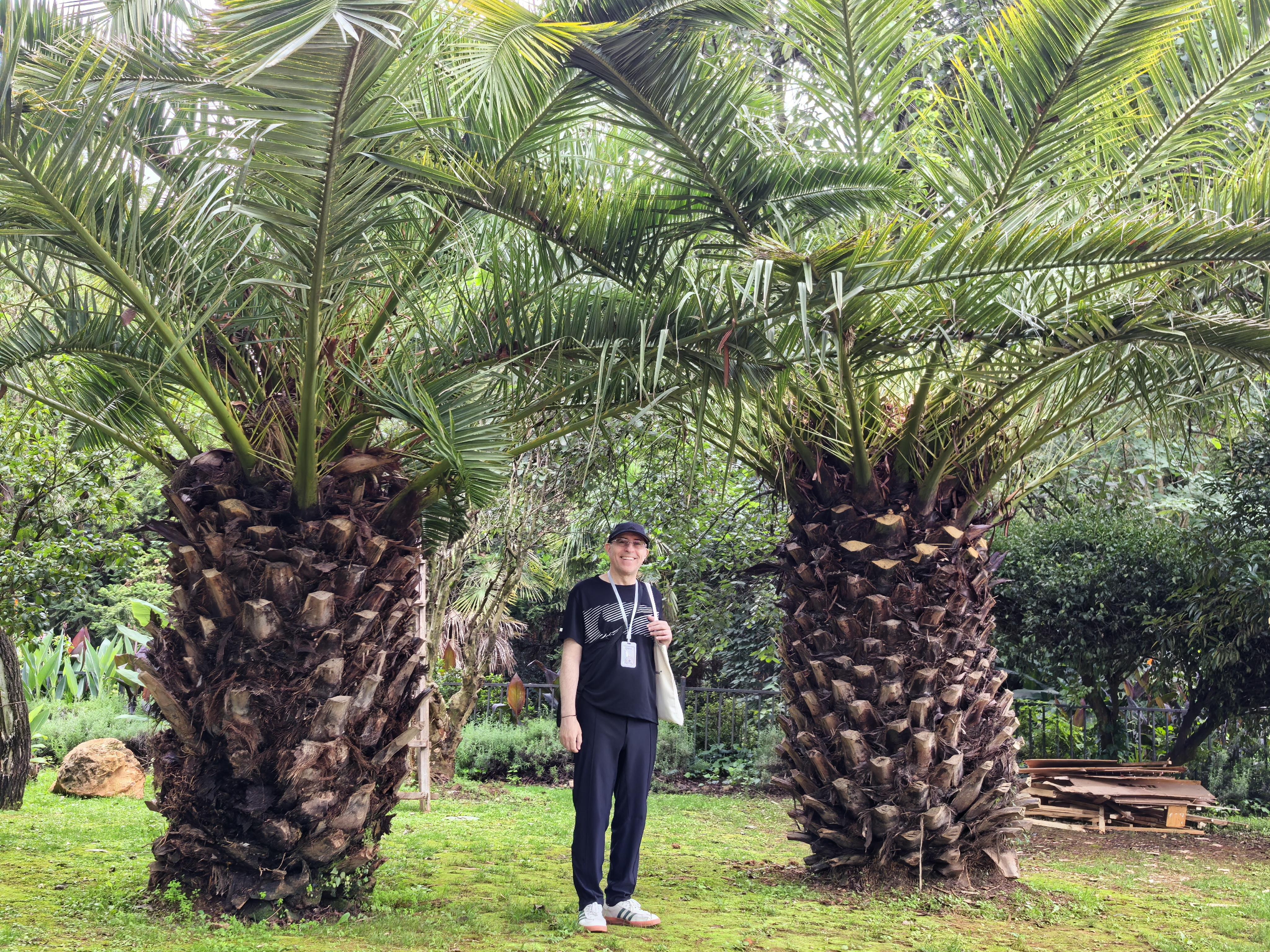
Francesco Faiola is an Italian researcher at the Research Center for Eco-Environmental Sciences of the Chinese Academy of Sciences and a recipient of the Chinese Government Friendship Award.