Lunar Soil Brick Maker Advances Building on Moon
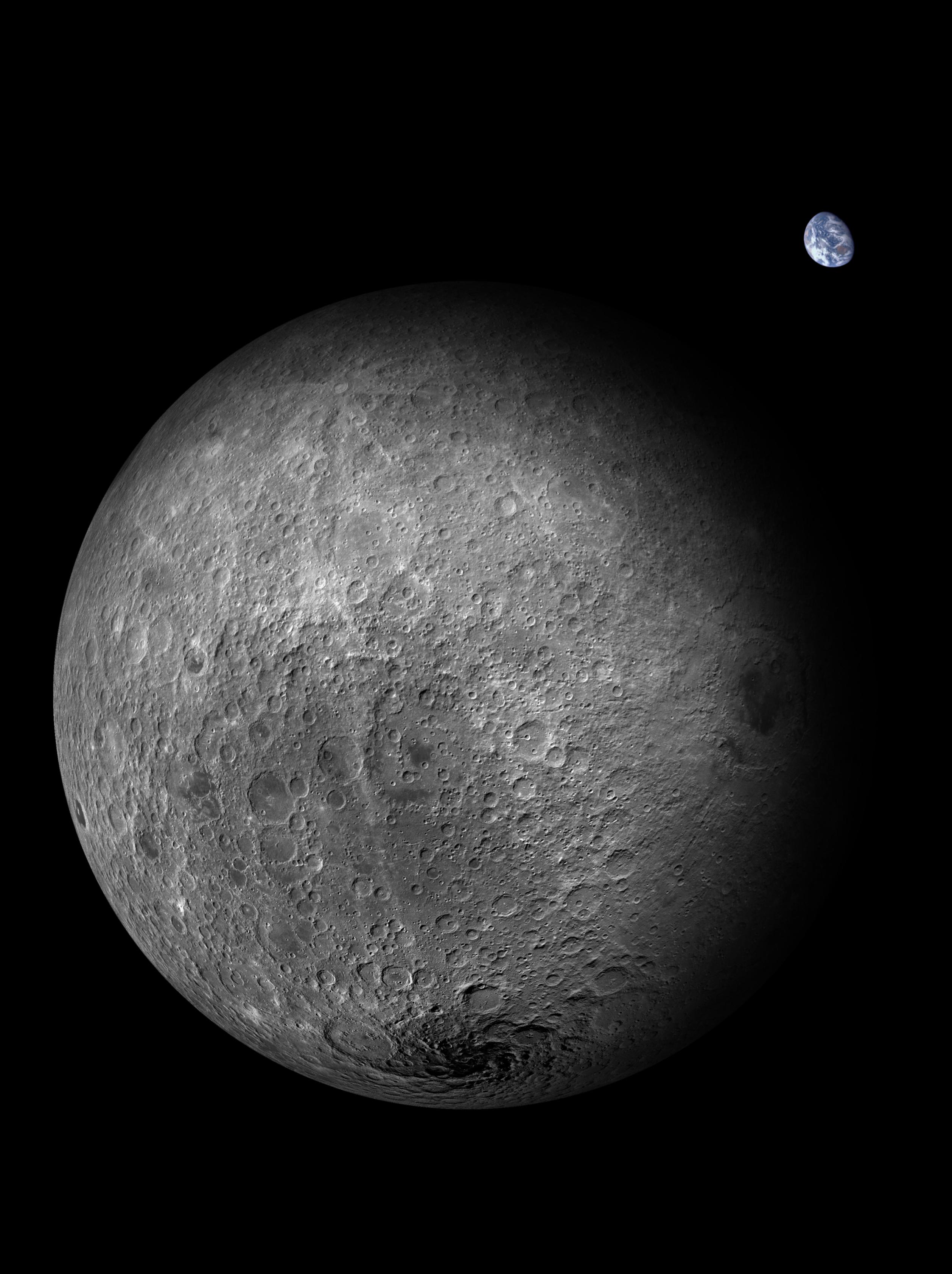
In a significant step toward sustainable lunar exploration, Chinese scientists have developed the country's first prototype machine capable of converting lunar soil into building bricks using concentrated solar energy. The lunar in-situ 3D printing device, developed by the Deep Space Exploration Laboratory (DSEL), is expected to play a key role in the construction of a future moon base.
The breakthrough addresses a long-standing challenge in space engineering: how to build on the moon using local resources rather than transporting materials from Earth. Given the high cost and complexity of cargo delivery to space, the ability to manufacture infrastructure using in-situ materials like lunar regolith could dramatically reshape the feasibility of long-term human presence on the moon.
From concept to prototype
According to Yang Honglun, an engineer at the DSEL's future technologies division, the development process spanned two years, passing through three major stages — concept validation, prototype development and iterative process optimization.
In the conceptual phase, the team evaluated a range of solar concentration methods, eventually selecting Fresnel lenses and thin-film concentrators to achieve the desired energy focus. Two fabrication techniques — powder sintering and powder bed fusion — were chosen to shape the lunar soil simulant into dense, brick-like structures.
The second stage addressed two major technical hurdles. The first was energy transmission: The system had to achieve a solar concentration ratio exceeding 3,000 times but conventional optical fiber bundles frequently suffered thermal damage in the process.
The team carried out nearly 100 rounds of tests to develop new energy-transmitting fiber bundles that resisted ablation and maintained high transmission efficiency.
The second problem was soil transport. There had to be a mechanism to evenly distribute and compact granular lunar soil. This led to the creation of a composite soil spreading unit capable of uniform deposition and compaction.
In the final phase, researchers had to ensure the device could adapt to the wide variety of lunar soil compositions. Lunar regolith varies significantly between regions—from basaltic mare soils to feldspathic highlands. To simulate real lunar conditions, the team prepared multiple types of artificial lunar soil and tested the printer across repeated cycles, refining the system for broader adaptability.
Turning sunlight into structure
At the heart of the system is a parabolic mirror that concentrates sunlight, which is then transmitted through fiber bundles to a focal point. Here, the concentrated energy raises the temperature of the lunar soil simulant to over 1300°C, melting it into a moldable state. In indoor testing environments where real sunlight is unavailable, the team used solar simulators to replicate the intense energy conditions required for the experiments.
The resulting bricks are composed entirely of in-situ lunar soil—no additives are required. The bricks are dense and strong, meeting not only habitation structure requirements but also for equipment platforms and lunar roadways.
Next steps: From bricks to habitats
Despite this achievement, Yang emphasized that significant challenges remain before lunar buildings become a reality. The bricks themselves are not sufficient to form self-sustaining structures under lunar conditions. On the moon, extreme temperatures, vacuum and microgravity demand a hybrid construction strategy. The lunar soil bricks would primarily serve as exterior protective layers, to be integrated with rigid pressure-resistant modules or inflatable habitat systems.
According to DSEL, the roadmap for lunar construction comprises three key steps. First, completing a full technical verification chain—brick production, structural assembly, and load-bearing evaluations. Second, deploying the brick-making machine and construction work during an actual lunar mission to test its function under real conditions. Third, integrating the machine with robotic systems and pressure-capable habitat modules to form a full-scale lunar construction system.
As space agencies worldwide move toward long-term lunar exploration, technologies like this represent a quiet but critical shift—from mission-based exploration to infrastructure-driven settlement. The lunar soil brick maker may not be glamorous, but it could be the cornerstone upon which the idea of real extraterrestrial homes is built.