Technology Powers Smart Consumption
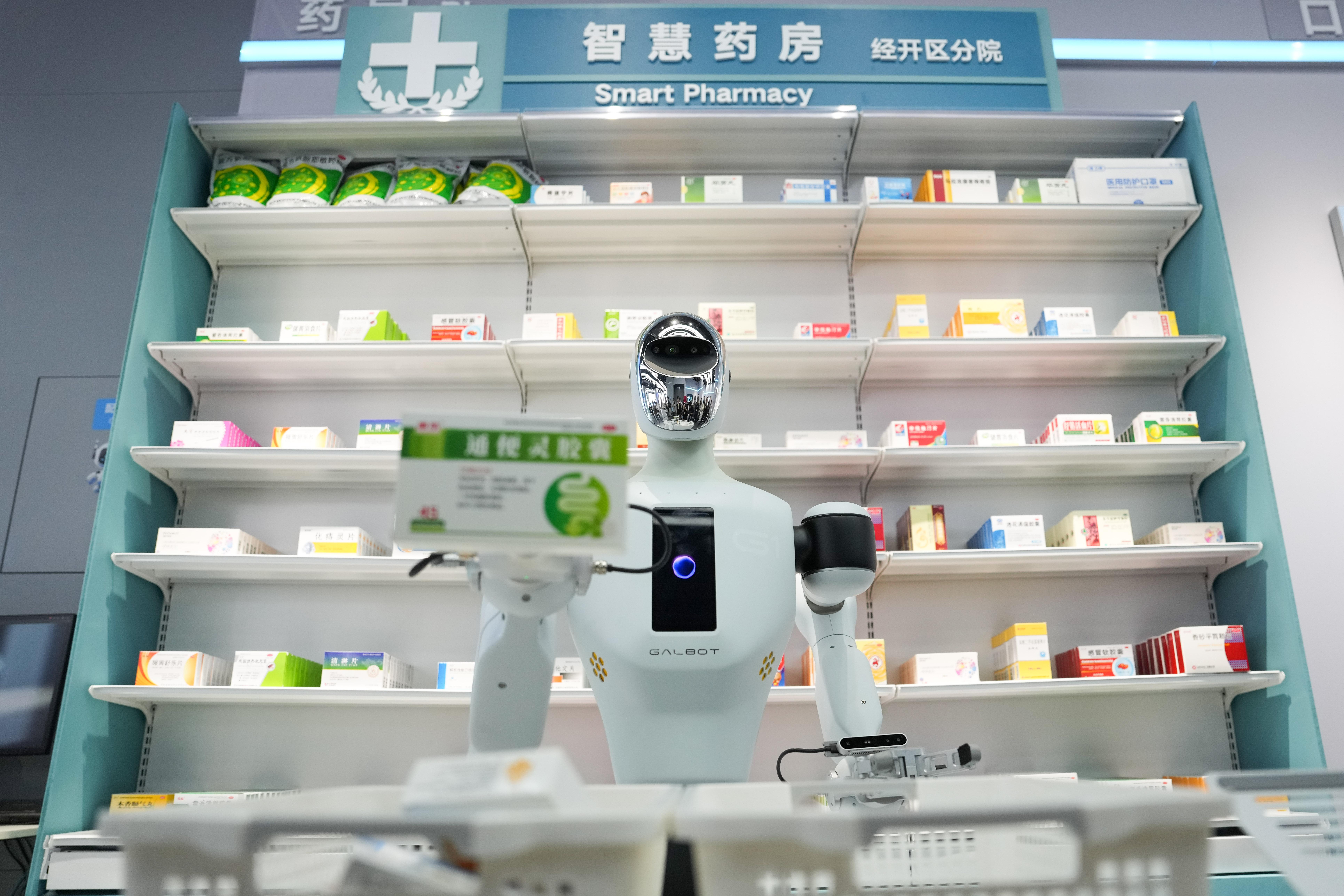
Whether it's smart healthcare making care more timely, intelligent eldercare giving families peace of mind, or seamless smart homes ensuring effortless living, technology is enhancing a good life, driving consumption that is sustainable, personalized, and full of potential.
Recent field research by Science and Technology Daily reporters reveals innovation is reshaping consumer behavior in China in four major areas: online healthcare, intelligent elder care, digitalized smart homes, and immersive cultural tourism. These intelligent upgrades reflect a broader transformation toward high-quality, inclusive development — driven by science and technology, and embraced by everyday consumers.
Online healthcare: accessible, efficient and scalable
In Beijing, an AI system named "Zijing Doctor," developed by Tsinghua University, is redefining primary care. With 42 virtual specialists covering 300+ conditions across 21 departments, the AI platform operates 24/7 and delivers diagnoses with over 93 percent accuracy for respiratory illnesses after acquiring "training" from tens of thousands of simulated cases.
From surgical robots at the Beijing Jishuitan Hospital to AI-assisted traditional Chinese medicine systems in rural Henan, digital technology is transforming access and precision in healthcare. As of December 2024, China had 418 million online medical users — over a third of the nation's Internet population.
By 2030, Internet hospitals are projected to make up 15 percent of total medical expenditure, with 80 percent first visits handled by AI, and e-pharmacy markets expected to exceed 1.5 trillion RMB.
Intelligent eldercare: enhancing quality of life
With over 300 million people aged 60 and above, China is rapidly becoming one of the world's oldest societies. The "silver economy" is now a major frontier for innovation.
In Changchun city in northeast China, robotic chefs in smart cafeterias prepare healthy meals for seniors.
In Zhejiang's mountainous regions in east China, drones deliver hot meals to remote-living elderly. In Beijing, companion robots like "Xiaoli" help retirees manage their daily routines — reading news, reminding them to take their medicines, and even offering emotional support.
Data from the State Taxation Administration shows that revenue from senior care services surged by 65.5 percent in the first quarter of 2025, while smart health monitoring device sales rose by 41.6 percent.
Experts predict that technologies like AI, IoT, and brain-computer interface will continue to reshape eldercare, driving a shift from passive aging to active, tech-empowered lifestyles.
Smart homes: towards seamless living
Leading Chinese appliance maker Haier exemplifies the shift from single smart products to fully interconnected living spaces. Its AI-powered range hoods adjust the airflow based on cooking intensity and exhaust pressure in real time, providing cleaner kitchens for millions of users.
Smart housing initiatives are underway in Shenzhen and Qingdao, where full-home control systems enable residents to manage appliances, utilities, and property services through a single app interface.
From AI scene-based interactions to eco-efficient designs, smart home technologies are becoming a global export strength. In the first five months of 2025, China exported over 184 million household appliances, worth 41 billion USD — a 6.1 percent increase year on year.
Experts estimate that by 2035, 90 percent of newly built homes in China will include fully digitalized smart home systems, including retrofitting older housing stock.
Immersive tourism: the new cultural renaissance
Cutting-edge technologies such as VR, AR, and 3D modeling are enabling virtual access to cultural heritage sites like the Mogao Caves in Dunhuang, northwest China. Through the "Digital Dunhuang" project, users can explore the ancient Buddhist murals in 4K resolution in their living rooms.
Immersive tourism is surging, from night tours at Yangzhou's Slender West Lake to high-tech stage shows like "Impression Mazu," which combines AR and fog-screen projections and grossed over 30 million RMB in its first season.
In 2024, China's digital culture and tourism industry earned 5.89 trillion RMB in revenue, marking a 9.8 percent increase over the previous year. Immersive technologies like VR, AR, and a wide range of sensors have helped break the constraints of time and space, enabling tourists to deeply engage with cultural heritage in innovative ways.