Journal of Tissue Engineering: Advancing Research, Clinical Impact for Public Health
Tissue engineering is a biomedical engineering discipline that uses combinations of engineering, cells, materials and biochemical cues to restore, maintain, improve or replace different types of biological tissues. As the understanding of how these factors interplay deepened, the research field of tissue engineering rapidly expanded. So, in order to disseminate the new discoveries in the field, a number of new journals were established. Today, we are starting to see the development of tissue engineered products becoming available and used clinically, and this includes products for hard and soft tissue reconstruction and augmentation for improved clinical outcomes.
The Journal of Tissue Engineering (JTE) was set up in 2010, when Sage Publishing realized it was a rapidly expanding research field. I was asked to set up the journal as I had had some success as editor-in-chief of the Journal of Biomaterials Applications with Sage, and this seemed to be an opportune moment to move into the open access publishing arena.
The JTE aims to publish papers specifically in tissue engineering, as opposed to more cell-focused journals which publish predominantly regenerative medicine or cell biology. We publish papers with an applied focus that are closer to the clinical problem — either in terms of application to the patient or with models that more closely recapitulate the actual cellular environment in the body. Two excellent examples are the development of organ on a chip models and the development of processing methods for extracellular vesicles for therapeutic use.
The JTE prides itself on having highly active and responsive editors to help the authors through the publication journey. We also have a rigorous level of peer review to ensure only papers of the highest quality are published.
Early on, Professor Hae-Won Kim at Dankook University in South Korea, joined as co-editor-in-chief. For many years we have also received strong support from Matt Dalby at Glasgow University and Wojciech Chrzanowski at Sydney University. All of them and many others have helped contribute to shaping the journal to make it the success that it is today.
Of particular note is the transition towards more freely available open access publishing. This has transformed the academic landscape, making work much more freely available, and this is clearly reflected in JTE's really high levels of downloads and citations.
We have tried to steer the journal along a path of academic excellence, endeavoring to publish only the leading papers, rather than publishing incremental papers. We have tried to determine the papers that really represent a ground-breaking change in the field. This can sometimes be difficult, especially with the advent of very advanced large scale and/or high throughput measurement methodologies such as genomics and proteomics, so prevalent today in biology.
However, we have endeavored to analyze each paper to ensure it remains true to the journal's subject area. We have also tried to identify areas that are in the early stages of development and expansion, and have published Special Collections to support these areas. Such topics include extracellular vesicles and additive manufacturing. These Special Collections have proven to be highly successful, with large numbers of downloads and subsequent cites. They are specifically aimed at new and emerging topics to attract submissions from world-leading authors.
A significant number of submissions to the journal come from China. It is excellent to see the rapid development in the science being carried out in China, driven by a large-scale investment from the government and the private sector.
One aspect of these submissions that we have seen occurring is the use of these high throughput methods to provide large datasets and subsequent deep analysis of this data. This type of analysis is relatively unique due to the high cost, but gives important insights into the control and regulation of tissue and how these might be utilized in tissue engineering approaches. One factor that seems to be particularly strong in papers from China is the clear integration of clinical and non-clinical colleagues, and this has contributed hugely to the basic understanding of a disease state and the subsequent development of a coherent tissue engineering strategy to repair the defective tissues.
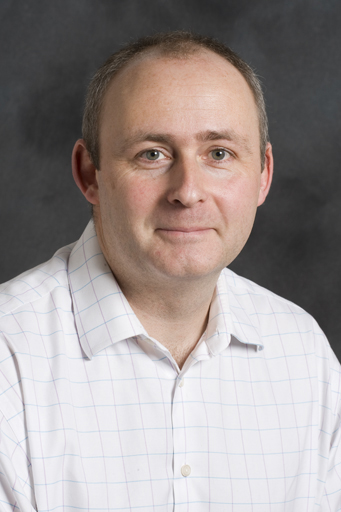
The article is written by Jonathan Knowles, who is the editor-in-chief of the Journal of Tissue Engineering and professor of Biomaterials Science at the Eastman Dental Institute, University College London, UK.
Journal Review
Since the concept of tissue engineering was established by Robert Langer and Joseph P. Vacanti in 1987, it has rapidly developed as an emerging technology. In 2000, it was listed as the top 10 popular professions for the 21st century by the Time magazine. People hope to make it possible in the near future to replace damaged human organs as easily as replacing mechanical parts.
The core of tissue engineering research is to establish three-dimensional composites made of cells and biomaterials, essentially constructing living tissues with vitality to replace damaged tissues and organs. This aims to achieve permanent replacement through the reconstruction of morphology, structure and function. With the development of life sciences, biomaterials, and engineering technology, tissue engineering is about to become, or is already becoming, an effective treatment method for tissue and organ failure, marking the entry of medicine into a new era of manufacturing tissues and organs.
Compared to research focused on the cellular level, the Journal of Tissue Engineering prioritizes clinically oriented and application-focused research. It also keeps an eye on emerging topics, encouraging researchers in basic research to develop new technologies based on clinical needs, thereby promoting the advancement of the frontier fields of tissue engineering.
—— Gu Ning, member of the Chinese Academy of Sciences and professor of the Nanjing University & Li Yan, associate professor of the Southeast University.