Global Journal Observatory | Light: Science & Applications, Thriving with International Scientists
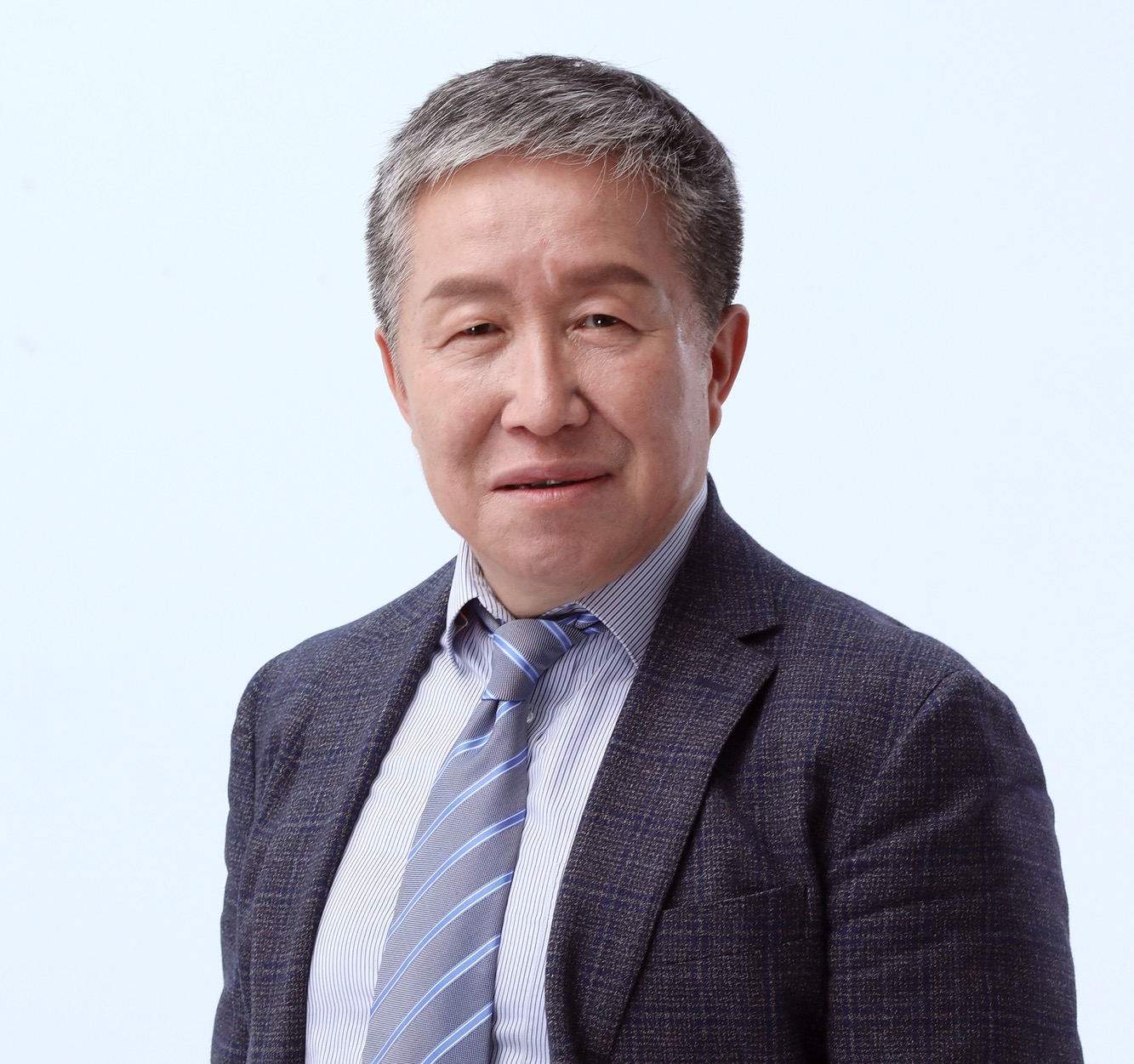
Cao Jianlin. (COURTESY PHOTO)
By?CAO?Jianlin
The editorial philosophy of Light: Science & Applications (Light), launched in March 2012, is explicitly defined: creating a top-tier comprehensive journal across the full spectrum of optics research, including basic, applied and engineering results in all areas of optics and photonics. The goal is to enlighten and contribute to the well-being of global optics researchers, engineers, students and the industry.
The journal is co-hosted by the Changchun Institute of Optics, Fine Mechanics and Physics, Chinese Academy of Sciences (CAS) and Chinese Optical Society, and co-published by Springer Nature. Its impact has been among that of the world's top three optics journals for the past nine consecutive years.
Light has evolved into a "Light" brand for scientific communication and collaboration, as well as industry integration. It has incubated the Light Doctoral League, China's Top 10 Social Impact Events in Optics, Rising Stars of Light, and many other academic platforms.
The secret to the success of Light is the mutual trust between our editorial staff and high-level researchers.
For example, in 2014, Prof. Cui Tiejun from Southeast University in Nanjing, Jiangsu province, first proposed the idea of digitally coding metamaterials. This new representation of metamaterials — still in its preliminary stage — was not widely accepted by the community at the beginning, but Light was attracted to its possibility of connecting the physical-digital-artificial worlds, and published it through an expedited green track. Light continued to publicize this field by highlighting its follow-up breakthroughs, which helped the field attract wide attention and recognition worldwide.
This paper later became the major representative work for Prof. Cui to win the second prize of China's National Natural Science Award, be elected a member of CAS, and conduct a Basic Science Center project of the National Natural Science Foundation of China. The paper has been among the most cited optics papers in the past decade, has been cited more than 2,500 times in Google Scholar so far, and shows enormous potential for real applications.
Another example is a research paper by Prof. Aydogan Ozcan, Chancellor's Professor of the University of California, Los Angeles. In 2017, we invited him to publish his research paper "Phase recovery and holographic image reconstruction using deep learning in neural networks" in Light. This work has been cited more than 900 times in less than six years, making it one of Ozcan's highest-cited papers. In 2022, he was awarded the "Joseph Fraunhofer Award/Robert M. Burley Prize" for his contributions to computational optical imaging and other optical engineering fields.
The trust between Light and optics scientists originates from our intimate communication, ranging from technical discussions about manuscripts to co-planning special issues and events, from discussions about the future layout of the optics discipline to conversations about the history and heritage of optics, meticulously attending to every aspect.
We work and live together with scientists, sharing a common language, and facing joys and challenges together. Over the past decade, our editorial staff spared no effort to travel around the world to reach out. The wide distribution of the Light editorial board members and Light global offices in renowned universities and research institutions is compelling evidence of our commitment.
Building up close communication and mutual trust with scientists is a perennial task of scientific, technical and medical (STM) journals. Light has luckily made a good debut.
With its achievements, Light has gained recognition in its home China. It was selected as a leading journal by the "National Outstanding STM Journals", and received the "National Publishing Award" (the highest honor in China's publishing industry), "National Top 100 Journals" and other honors.
Today, Light is shouldering the expectations of hundreds of thousands of readers, which in turn enables our branded events to receive widespread acclaim. With such visibility, Light has been selected as the golden partner of UNESCO's International Year of Light and International Day of Light. Meanwhile, the editorial office of Light receives numerous visits from universities, institutions and industries.
Looking back at 2023, our editorial staff visited 53 cities across 12 countries to promote Light and its brand. Looking into the next decade, we aspire to remain in tune with the thoughts of scientists and extend our influence even further.
The author is a former vice minister of science and technology of China, and the founding editor-in-chief and honorary editor-in-chief of Light: Science & Applications.
Comment
The mission of Light: Science & Applications is exactly as the name implies — to shine a light on the path ahead. Throughout its journey, Light has upheld its unique academic appreciation function, striving to lead scientific research rather than be a follower. Its goal is to establish a brand-new communication platform for researchers engaged in the integration of science, technology and engineering.
The key to scientific progress lies in breaking away from the past. In 2014, researchers first proposed a new approach of using digital encoding to represent metamaterials. It was a divergence from the inherent concept and faced resistance during peer review. However, the Light team recognized the transformative impact of this achievement on the information field and industrial layout, and were the first to publish the research. Subsequently, Light made significant contributions to nurturing this frontier area and gained widespread recognition.
Light has always adhered to scientific values and explored the essence of scientific research. It dares to publish innovative achievements that challenge the orthodox ideas in terms of basic principles, fundamental ideas, and theoretical frameworks. This has broadened the horizon for researchers in optics worldwide.
——Shi Bei, the commentator, is a researcher at the National Science Library of the Chinese Academy of Sciences.