TikTok Ban Typical Sign of American Hegemony
(PHOTO:?VCG)
By?GONG?Qian
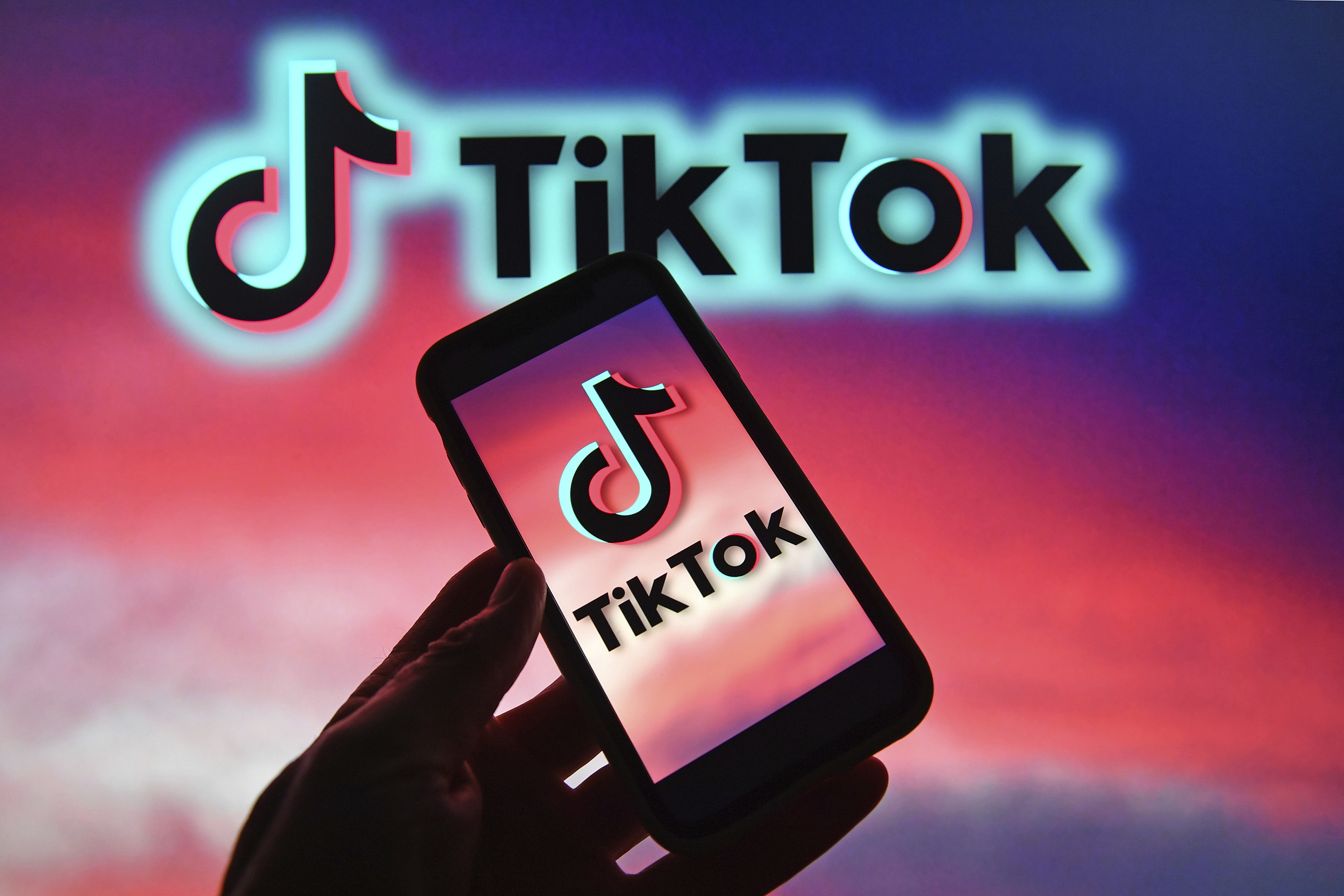
On March 13, the U.S. House of Representatives approved a bill to force Chinese company ByteDance to sell off its video-sharing app TikTok within 180 days. Otherwise, the app would be banned in the country. This is an intolerable act by a nation that always preaches "free will, free speech."
Actually, from the Trump to the Biden administration, the U.S. has been flexing its muscles over the app for a long time, giving the cliched excuse of national security. But the consequence of the latest move would be much more severe than before. "This legislation has a predetermined outcome: a total ban of TikTok in the United States," TikTok said in a statement.
Even before the bipartisan bill was unanimously advanced by the House Energy and Commerce Committee on March 7, it faced a flood of backlash from TikTok's American users, with many contacting their representatives to stop a TikTok shutdown. The volume of calls from outraged TikTok users was so immense that some offices had to temporarily disable their phones, while others struggled to manage unrelated calls, according to the Washington Post. Currently, TikTok is used by 170 million Americans.
Critics have raised their concern that the legislation is unconstitutional. The American Civil Liberties Union said in a statement that it has repeatedly explained that banning TikTok would have profound implications for the U.S. constitutional rights to free speech and free expression because millions of Americans "rely on the app every day for information, communication, advocacy, and entertainment."
Ramya Krishnan, a staff attorney at the Knight First Amendment Institute at Columbia University in New York, told Business Insider that citing national security is "not a get out of jail free card." Krishnan said the First Amendment protects Americans' right to access the social media platforms they prefer. If the government aims to justify a ban, it must prove that the privacy and security issues it raises cannot be tackled through narrower means.
"And the government simply hasn't done this," said Krishnan, adding that a ban on TikTok would set a dangerous precedent for how we regulate free speech online.
Many experts say the latest legislation, described as the most potent threat by many foreign news outlets, is closely related to the 2024 US presidential election.
Ironically, while the U.S. government is wielding the stick to disturb the normal commercial activities of TikTok and curb its development, it is leveraging the app's influence, especially on young people, to win political support and votes. According to a report by the Pew Research Center in January, 33 percent of U.S. adults said they use TikTok, up 12 percentage points from 2021. Obviously, the U.S. politicians have realized its significance in shaping people's thoughts and behavior in political campaigns.
President Joe Biden's 2024 presidential campaign began using TikTok in late February, seen as an attempt to reach young voters. It has continued using TikTok, despite the president saying he would sign the bill that could ban the application.
Even Brendan Carr, a Republican member of the Federal Communications Commission who favors a TikTok ban, told Politico that Biden's using TikTok is most fundamentally hypocritical.
For TikTok, it seems all the compliance it did in the past is to be in vain. In the past years, the company took concrete action to adapt to various policy restrictions by the U.S. government while dealing with the groundless accusations by U.S. politicians that the Chinese government was forcing it to share its American users' data. So far, the U.S. government hasn't provided any evidence of that allegation.
To address U.S. regulatory concerns over data integrity, TikTok's most significant effort was to move its U.S. users' data to U.S. tech company Oracle's cloud platform in 2022. A year later, TikTok announced its 1.5 billion USD "Project Texas," promising to hand its control over data to Oracle, with the source code overseen by an in-house committee approved by the U.S. government called TikTok U.S. Data Security. However, it was still unable to reassure the U.S. legislators.
The House of Representatives will not be satisfied with TikTok's pacifying attempts until the widely popular app is transformed into an American company. With the China-U.S. competition having risen to an unprecedented level, TikTok's real "sin" in their eyes is that it is owned by a Chinese company.
Using state power to suppress a multinational company is bound to undermine fair and reasonable market competition. It will also call into question the international investment in the U.S.