The Nobel Laureate Who Almost Wasn't
By?Nathan E. Stott
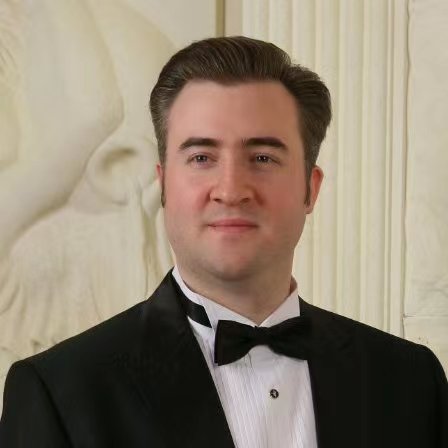
Professor?Nathan E. Stott.?(COURTESY?PHOTO)
Despite the implication of the title, I believed from the time Professor Moungi G. Bawendi was my PhD advisor that he was destined to become a Nobel Laureate. I never doubted it. Recently, I even suspected that 2023 would be his year and had been awaiting the announcement of the prize for chemistry since the day before.
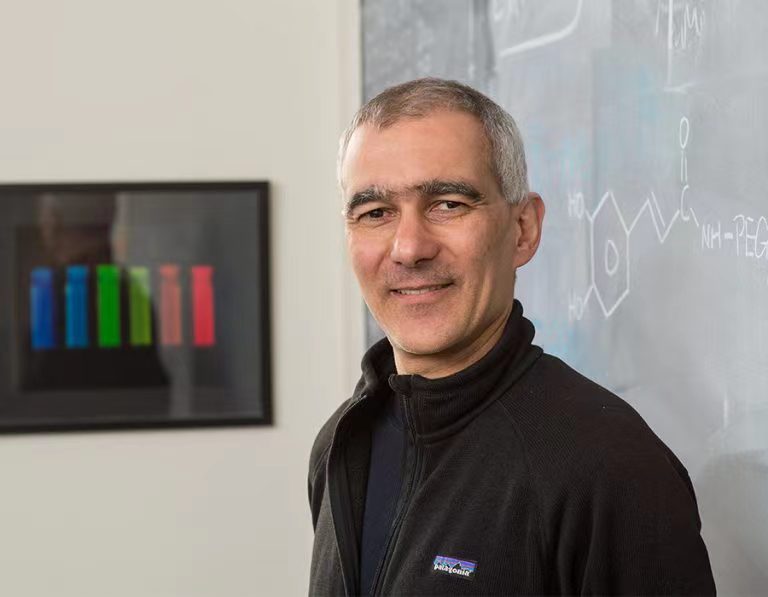
Professor Moungi G. Bawendi.?(COURTESY?PHOTO)
Moungi has a very quiet, reserved, soft-spoken, and easy-going personality. He is an amazing teacher who provides clear insight in such a manner that the brains of his audience and students will readily absorb whatever he is instructing. He is very creative and excited about science and technology, and his enthusiasm is contagious to all of his students and postdoctoral researchers.
I have an amusing anecdote that I would like to share, and I hope it is well-received in the spirit in which I intend it. It's a fond and endearing memory for me of my mentor.
One time, in the laboratory and while standing in front of a fume hood, Moungi told me and another graduate student a personal story, a rare occasion when he opened up about his life. When he was an undergraduate at the school down the street (what we at MIT humorously and slightly derisively, tongue-in-cheek, call Harvard University), he was also an undergraduate researcher.
One time, he was working at the fume hood and had a jar with pieces of sodium metal in mineral oil. He decided to toss some tiny pieces of sodium metal, using a little lab spatula, into a sink with some water in it at the back of the fume hood, and this made some of what he found to be interesting pops and sparks from the sodium metal reacting with the water.
Then, he became more curious and wanted to see what happens when tossing a larger chunk of sodium metal into the water in the sink at the back of the fume hood… BOOM!!! A big fire ball exploded inside the fume hood and went up the ventilation shaft, knocking out the exhaust fan! Moungi closed the sash of the fume hood and promptly walked away.
Moungi was softly chuckling and smiling while telling us this story as both my and my colleague's jaws dropped. Then, he told us never to do that ourselves and to always be safe in the laboratory. I noted to him that he might never have become a professor at MIT if he had been caught in such mischief as a student. He grinned.
The reason this story is so funny is because Moungi is a very quiet and reserved man. While an American, he is also a very proper French gentleman. Our shock and surprise delighted him.
It is with this same curiosity of that mischievous young man that Moungi continued to more seriously and soberly approach science and technology to lead his research group to many great discoveries and achievements about quantum dots (QDs). Isn't it also fitting that he won the prize from the inventor of dynamite?
Congratulations, Moungi! We are all immensely proud to have been taught and mentored by you.
Professor Nathan E. Stott serves as the team leader of Nanomaterials for Electronic and Renewable Devices (NERD) Team, Laboratory for Advanced Nano Materials and Devices, Ningbo Institute of Materials Technology and Engineering Chinese Academy of Sciences (CAS).
Despite the implication of the title, I believed from the time Professor Moungi G. Bawendi was my PhD advisor that he was destined to become a Nobel Laureate. I never doubted it. Recently, I even suspected that 2023 would be his year and had been awaiting the announcement of the prize for chemistry since the day before.
Moungi has a very quiet, reserved, soft-spoken, and easy-going personality. He is an amazing teacher who provides clear insight in such a manner that the brains of his audience and students will readily absorb whatever he is instructing. He is very creative and excited about science and technology, and his enthusiasm is contagious to all of his students and postdoctoral researchers.
I have an amusing anecdote that I would like to share, and I hope it is well-received in the spirit in which I intend it. It's a fond and endearing memory for me of my mentor.
One time, in the laboratory and while standing in front of a fume hood, Moungi told me and another graduate student a personal story, a rare occasion when he opened up about his life. When he was an undergraduate at the school down the street (what we at MIT humorously and slightly derisively, tongue-in-cheek, call Harvard University), he was also an undergraduate researcher.
One time, he was working at the fume hood and had a jar with pieces of sodium metal in mineral oil. He decided to toss some tiny pieces of sodium metal, using a little lab spatula, into a sink with some water in it at the back of the fume hood, and this made some of what he found to be interesting pops and sparks from the sodium metal reacting with the water.
Then, he became more curious and wanted to see what happens when tossing a larger chunk of sodium metal into the water in the sink at the back of the fume hood… BOOM!!! A big fire ball exploded inside the fume hood and went up the ventilation shaft, knocking out the exhaust fan! Moungi closed the sash of the fume hood and promptly walked away.
Moungi was softly chuckling and smiling while telling us this story as both my and my colleague's jaws dropped. Then, he told us never to do that ourselves and to always be safe in the laboratory. I noted to him that he might never have become a professor at MIT if he had been caught in such mischief as a student. He grinned.
The reason this story is so funny is because Moungi is a very quiet and reserved man. While an American, he is also a very proper French gentleman. Our shock and surprise delighted him.
It is with this same curiosity of that mischievous young man that Moungi continued to more seriously and soberly approach science and technology to lead his research group to many great discoveries and achievements about quantum dots (QDs). Isn't it also fitting that he won the prize from the inventor of dynamite?
Congratulations, Moungi! We are all immensely proud to have been taught and mentored by you.
Professor Nathan E. Stott serves as the team leader of Nanomaterials for Electronic and Renewable Devices (NERD) Team, Laboratory for Advanced Nano Materials and Devices, Ningbo Institute of Materials Technology and Engineering Chinese Academy of Sciences (CAS).